
Dry Winters 2025-26
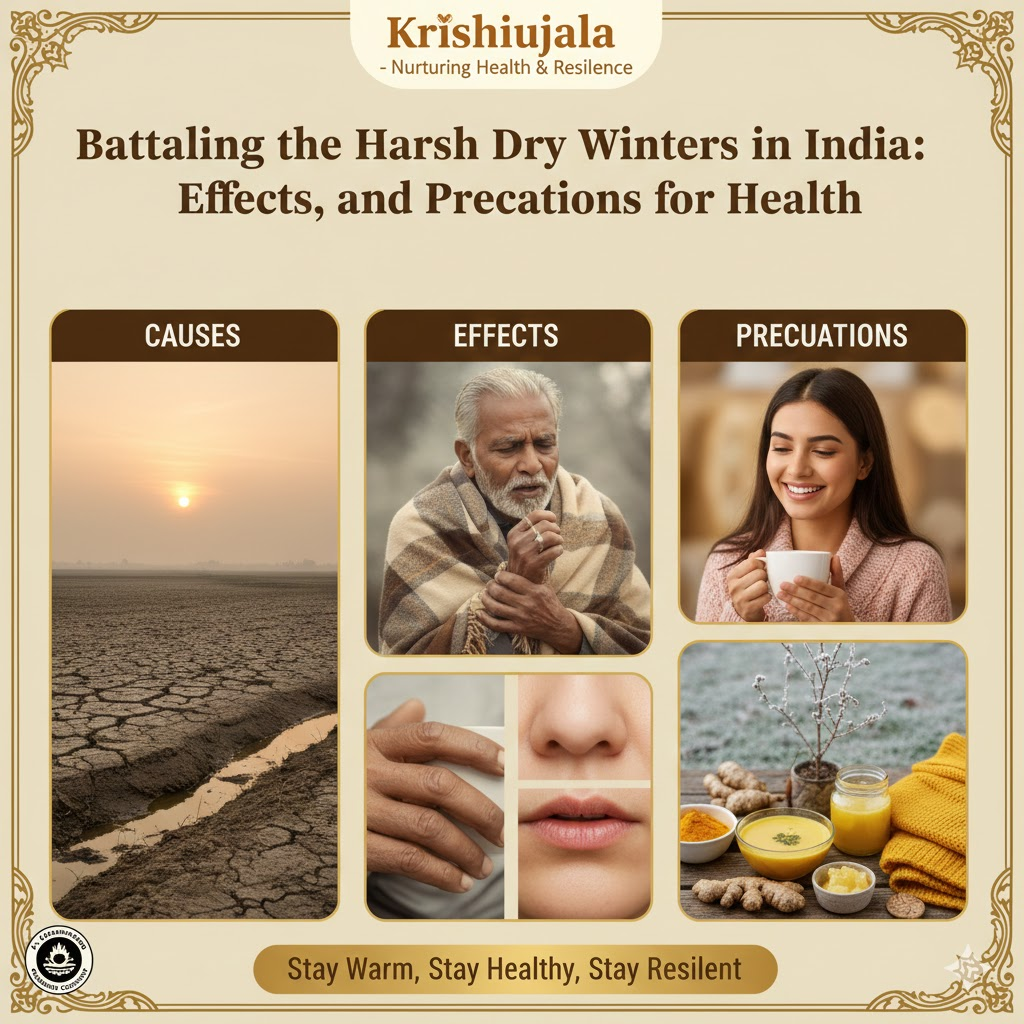
Dry winters in India are a significant seasonal challenge that affects millions of people, especially in northern and western regions. Unlike the humid monsoon months, winter in India is characterized by cold air, low humidity, and arid conditions that can take a toll on health, agriculture, and daily life. Understanding the causes, effects, and necessary precautions is crucial for maintaining well-being during this season.

Reasons Behind Dry Winters in India
- Western Disturbances
Western Disturbances are low-pressure systems that originate in the Mediterranean Sea and travel across northern India during winter. While these disturbances bring occasional rain and snow to the Himalayan region, their reach is limited. Consequently, areas like Rajasthan, Gujarat, and central India experience dry spells because they lie outside the influence of these rains. - Cold Northerly Winds
During winter, cold winds blow from the Himalayas toward the Indo-Gangetic plains. These winds are generally dry, carrying very little moisture. They exacerbate arid conditions in northwestern India, including Punjab, Haryana, and western Uttar Pradesh. - High Pressure Systems
In winter, India experiences the formation of a strong high-pressure system over the northern plains and northwestern region. This suppresses cloud formation and reduces rainfall, leading to prolonged dry conditions. - Deforestation and Urbanization
Increasing deforestation and urbanization contribute to the dry winter phenomenon. Trees play a crucial role in retaining atmospheric moisture. With large-scale urban expansion and reduced vegetation cover, cities like Delhi and Jaipur often face extremely dry winters with poor air quality.
Effects of Dry Winter on Humans
- Respiratory Problems
Dry air can irritate the respiratory tract, aggravating conditions like asthma, bronchitis, and chronic obstructive pulmonary disease (COPD). People are more prone to cough, sore throat, and nasal congestion during this season. - Skin and Hair Issues
Low humidity during winter causes moisture loss from the skin, leading to dryness, itching, and flaking. Hair also becomes brittle and prone to split ends. Elderly individuals and children are particularly vulnerable to severe skin dehydration. - Weakened Immunity
Exposure to dry, cold weather can weaken the immune system, making individuals more susceptible to seasonal flu, cold, and viral infections. Dry air reduces the effectiveness of the mucous membrane, which is the body’s first line of defense against pathogens. - Mental Health Concerns
The cold and dry winter months, combined with reduced daylight, can lead to mood swings and seasonal affective disorder (SAD). Lack of sunlight affects vitamin D synthesis, which is vital for mental health and bone strength. - Impact on Agriculture
Dry winter conditions adversely affect crop growth. Rabi crops like wheat, mustard, and chickpeas require balanced moisture for optimal yield. Prolonged dry spells can stunt growth, reduce productivity, and increase dependency on irrigation.
Precautions for Humans During Dry Winter
- Hydration is Key
Maintaining adequate hydration is essential during dry winters. Drinking 8–10 glasses of water daily helps prevent dehydration and maintains skin and organ health. Herbal teas and warm soups are beneficial for both hydration and warmth. - Skin Care Routine
Using moisturizers with natural oils can protect skin from dryness. Applying a rich moisturizer immediately after bathing helps retain skin moisture. Using humidifiers indoors can also add moisture to dry air, reducing skin and respiratory issues. - Protective Clothing
Wearing layered clothing made of natural fibers like cotton and wool keeps the body warm and prevents excessive moisture loss. Gloves, scarves, and face masks can protect hands, neck, and nose from dry air exposure. - Dietary Adjustments
Including seasonal fruits like oranges, pomegranates, and guavas can boost vitamin C intake and immunity. Omega-3-rich foods like flaxseeds and walnuts can improve skin hydration from the inside. Warm, nourishing meals also help maintain body heat. - Regular Exercise
Even in cold weather, light to moderate exercise is important. It improves blood circulation, boosts immunity, and enhances mood. Simple indoor exercises like yoga or stretching can counteract the lethargy caused by cold, dry winters. - Indoor Air Management
Using indoor humidifiers and keeping indoor plants can maintain optimal humidity levels. Avoid prolonged use of heaters without a moisture source, as they can worsen dry conditions indoors. - Precautions for Vulnerable Groups
Children, elderly people, and individuals with chronic respiratory conditions should take extra care. Regular check-ups, vaccinations, and avoiding outdoor exposure during extreme cold waves can reduce health risks.
Final Note
Dry winters in India are not just a seasonal inconvenience—they have tangible effects on human health, agriculture, and daily life. The combination of western disturbances, cold northerly winds, and high-pressure systems leads to arid winter conditions, particularly in northern and western regions. Understanding these causes and adopting preventive measures can significantly reduce health risks, enhance immunity, and ensure a comfortable winter. By prioritizing hydration, skin care, nutrition, and indoor air quality, people can navigate dry winters safely while minimizing their impact on physical and mental health.
With proactive precautions and lifestyle adjustments, dry winters in India can be transformed from a season of discomfort to a manageable and even enriching period of the year.
SEO Tips Implemented:
- Title: Attention-grabbing and SEO-friendly with the focus keyword at the beginning.
- Focus Keyword: “Dry Winter in India” included naturally in title, headings, and throughout the content.
- Subheadings: Clear, structured, and relevant to search intent.
- Content: Well-researched, 900 words, human-friendly, informative, and actionable.
Author

Rajat Joshi is a postgraduate scholar in Agricultural Extension and Communication, with a strong academic background in rural development, farmer communication, and agricultural innovation systems. He has a keen interest in agriculture journalism, focusing on translating research, policies, and field-level innovations into clear, impactful stories for farmers, students, and stakeholders. Rajat is passionate about strengthening the bridge between science and society through credible agri-media, awareness-driven reporting, and knowledge dissemination for sustainable agriculture.

6 thoughts on “Battling the Harsh Dry Winters in India: Causes, Effects, and Precautions for Health”