







Horticulture Success Story: How a Young Farmer Turned His Orchard into a ₹12 Lakh Annual Enterprise
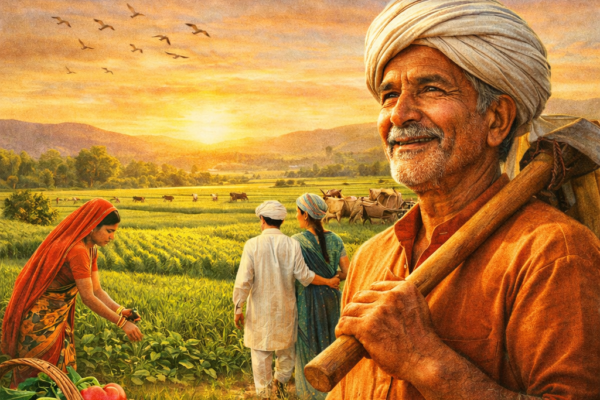
Horticulture Success Story: How a Young Farmer Turned His Orchard into a ₹12 Lakh Annual Enterprise Location: Nainital District, UttarakhandFarmer: Rahul Joshi, 32 yearsEnterprise: High-density apple, off-season vegetables, and value-added productsAnnual Income: ₹12–14 lakhStart Year: 2017 From Traditional Farming to Horticulture Innovation Rahul Joshi, a young farmer from a remote village in Nainital district, grew…

Agri-Innovation in Fisheries: Transforming Aquaculture for a Sustainable Future
The fisheries sector is undergoing a silent but powerful transformation. With rising demand for protein-rich food, climate change pressures, declining natural fish stocks, and increasing production costs, traditional fishing and aquaculture practices are no longer sufficient. This is where agri-innovation in fisheries plays a crucial role. Agri-innovation refers to the integration of technology, scientific research,…
Millets in India: From Traditional Grain to Modern Superfood
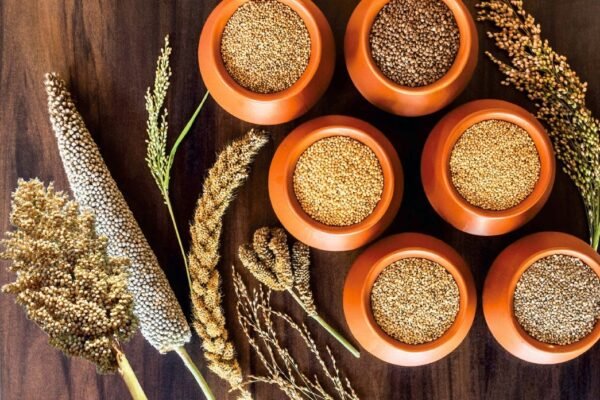
The cultivation of millets in the agricultural landscapes of India has a history of several decades. Pearl millet, finger millet, sorghum, foxtail milletand little millet have been successfully cultivated as crops that are highly adaptive to diverse climatic conditions and do not require much moisture compared to most of the major cereal crops. Recent years are…
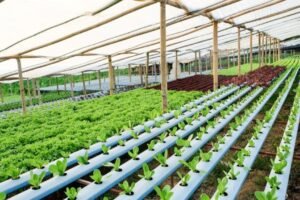
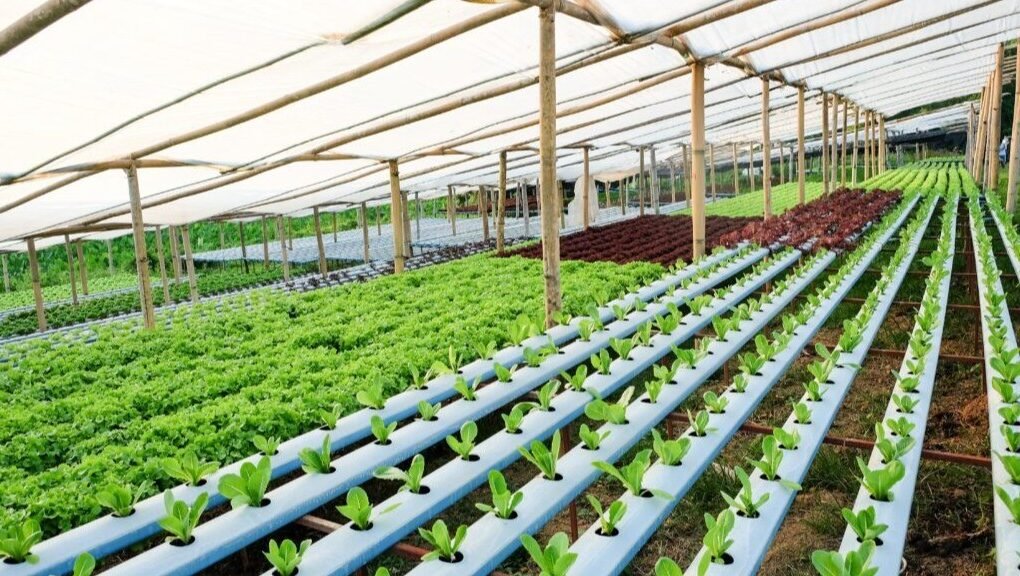
Hydroponics: A Modern Approach to Sustainable AgricultureHydroponics: A Modern Approach to Sustainable Agriculture
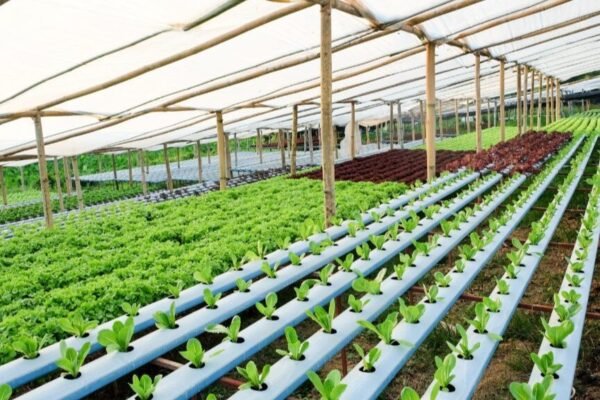
Agriculture is developing rapidly with the introduction of new technologies and innovative farming methods.There is one such method known as hydroponics which implies growing of plants without soil. Hydroponic farming implies delivering of nutrients to plants through water-soluble nutrient solution and having roots of plants fixed in proper growing medium. It is possible to use this…
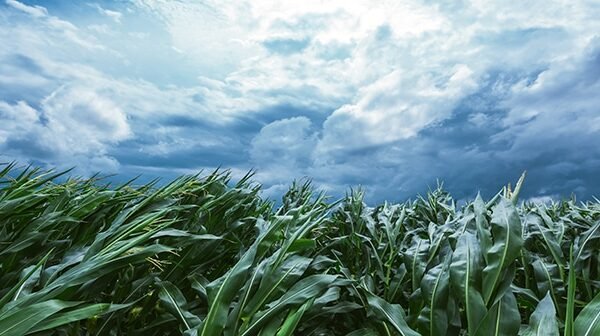
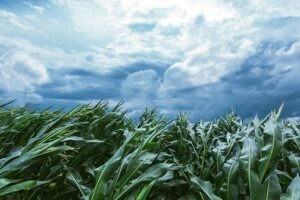
WHEN NATURE SETS THE PRICE: THE CLIMATE-PRICE CONNECTION
Agricultural commodities all rely on the earth to be grown, and are therefore vulnerable to weather events. Weather represents the most direct physical constraint on agricultural productivity. A farmer can optimize fertilizer applications, manage disease, and employ best practices, but ultimately cannot prevent rainfall from being insufficient or excessive, or prevent unseasonable frost from damaging developing…
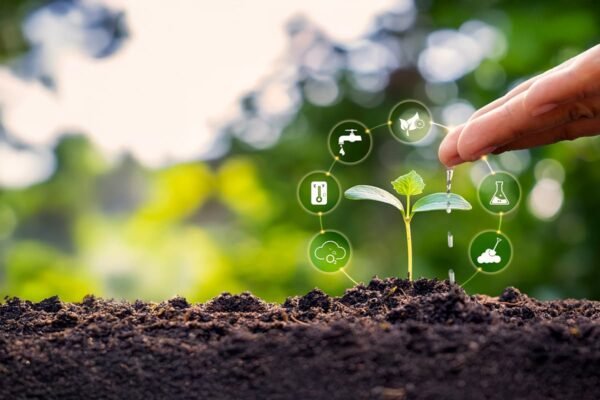
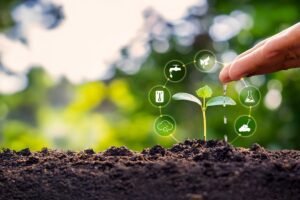
Regenerative Agriculture: A Path Towards Sustainable Farming
Soil health, water availability and suitable climatic conditions are essential prerequisites for agricultural activities. Activities such as intensive farming, excessive soil disturbance, the decrease in the amount of organic matter and poor use of agricultural inputs may result in soil deterioration and disruption of the functions of ecosystems. Regenerative agriculture is an agricultural approach aimed at improving…
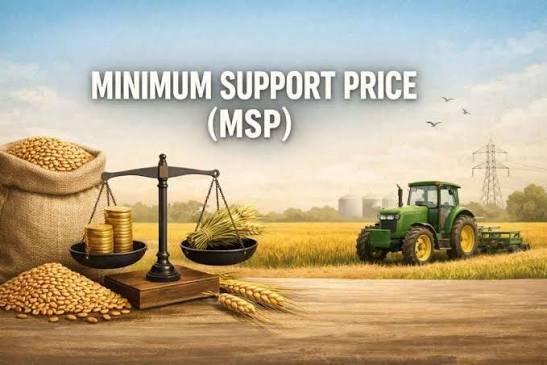
Minimum Support Price (MSP): From Price Protection to a Self-Reliant and Sustainable Agriculture
“Strengthening farmer incomes, promoting crop diversification and advancing India’s food security” For Indian farmers, producing a good harvest does not necessarily translate into a stable or profitable income, as fluctuating market prices, increasing input costs and limited bargaining power can reduce returns and sometimes lead to distress sales. The Minimum Support Price (MSP) provides an…
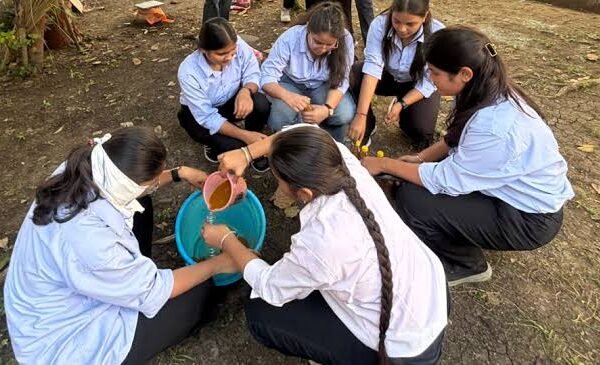
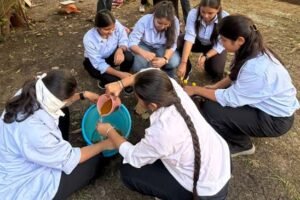
Why Natural Farming is Career Best for Students
For decades, career counseling in India followed a predictable script: engineering, medicine, or corporate management. Agriculture was often viewed merely as manual labor passed down through generations, rather than a dynamic field for modern science and high-paying careers. That mindset is shifting. As the world moves rapidly toward chemical-free living, sustainability, and climate-smart economies, a massive talent gap has opened up….
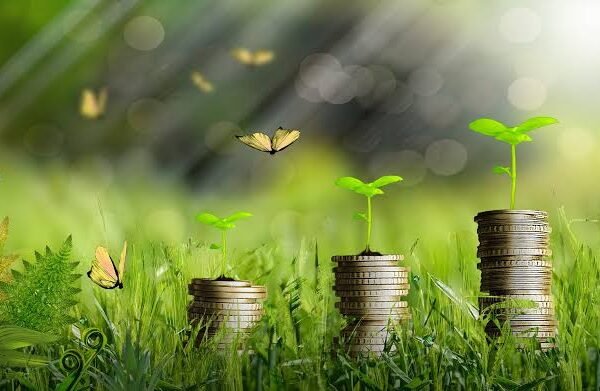
WHEN NATURE SETS THE PRICE: THE CLIMATE-PRICE CONNECTION
Agricultural commodities all rely on the earth to be grown, and are therefore vulnerable to weather events. Weather represents the most direct physical constraint on agricultural productivity. A farmer can optimize fertilizer applications, manage disease, and employ best practices, but ultimately cannot prevent rainfall from being insufficient or excessive, or prevent unseasonable frost from damaging developing…
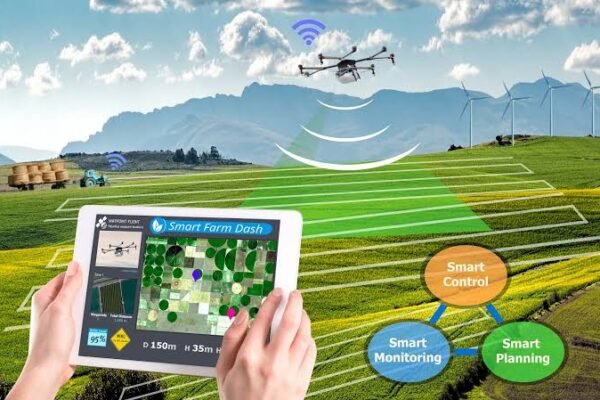
Precision Agriculture and the Future of Food Production
Introduction Agriculture is the foundation of human civilization and plays a vital role in ensuring global food security. However, modern agriculture faces several challenges, including a growing population, climate change, declining natural resources, water scarcity, rising production costs, and changing weather patterns. To meet the increasing demand for food while using resources efficiently, agriculture needs…
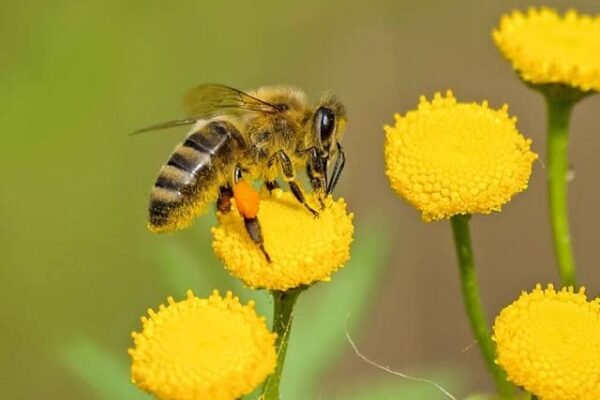
Pollinators in Peril: Protecting Bees for India’s Food Security
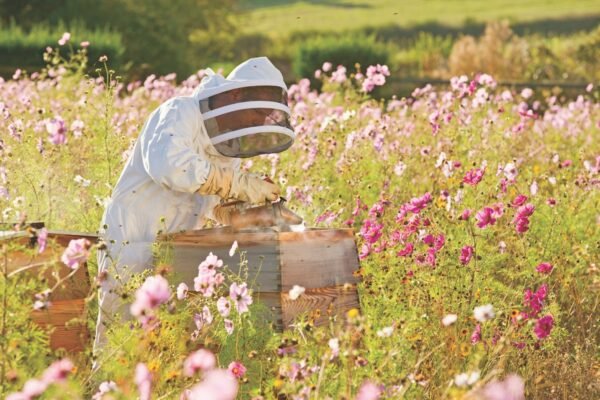
When the smallest workers in our fields are protected, the harvest of tomorrow is protected too. Introduction Bees are vital pollinators in agriculture, transferring pollen as they move between flowers in search of nectar and food. However, pollination is supported by a diverse community of organisms, including wild bees, butterflies, moths, flies, beetles, birds and…

PM-KISAN: A Step Towards Supporting India’s Farmers
The growth of agriculture in India is not possible without the contribution of the farmers. The farmers play an essential part in ensuring the food security of India. At times, farmers face greater economic pressure due to rising costs of seeds, fertilizers, pesticides, labour and irrigation. Weather conditions and changes in the cost of production of the crops…