
Winter has its own vibe. Foggy mornings, cozy sweaters, endless cups of chai—and a sudden increase in sniffles, sore throats, and comfort-food cravings. But here’s the plot twist: winter is also the most nutritious season of the year when it comes to fruits and vegetables.
Nature is clever. As temperatures drop, it loads winter produce with extra vitamins, minerals, antioxidants, and natural warming properties to help the human body survive cold stress. Eating seasonal fruits and vegetables in winter isn’t just a traditional practice—it’s smart nutrition backed by science.
So instead of popping supplements, why not eat what the season proudly serves? Let’s explore the best winter vegetables and fruits, their nutritional benefits, and why your body thrives when you eat seasonal.
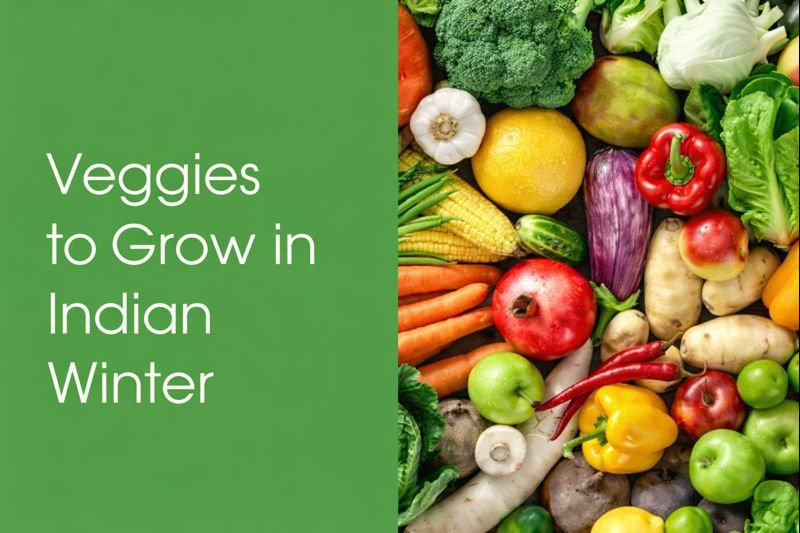
Why Eating Seasonal in Winter Is a Game-Changer 🌿
Winter crops grow slowly in cool temperatures, allowing them to accumulate higher nutrient density. These foods are fresher, tastier, more affordable, and better aligned with the body’s seasonal needs.
Key benefits of eating seasonal produce:
- Boosts immunity against cold and flu
- Improves digestion during slower metabolism
- Keeps skin healthy despite dry weather
- Provides natural warmth and energy
In short, winter foods are nature’s built-in immunity boosters.
Winter Vegetables: Comfort Food with Serious Health Benefi
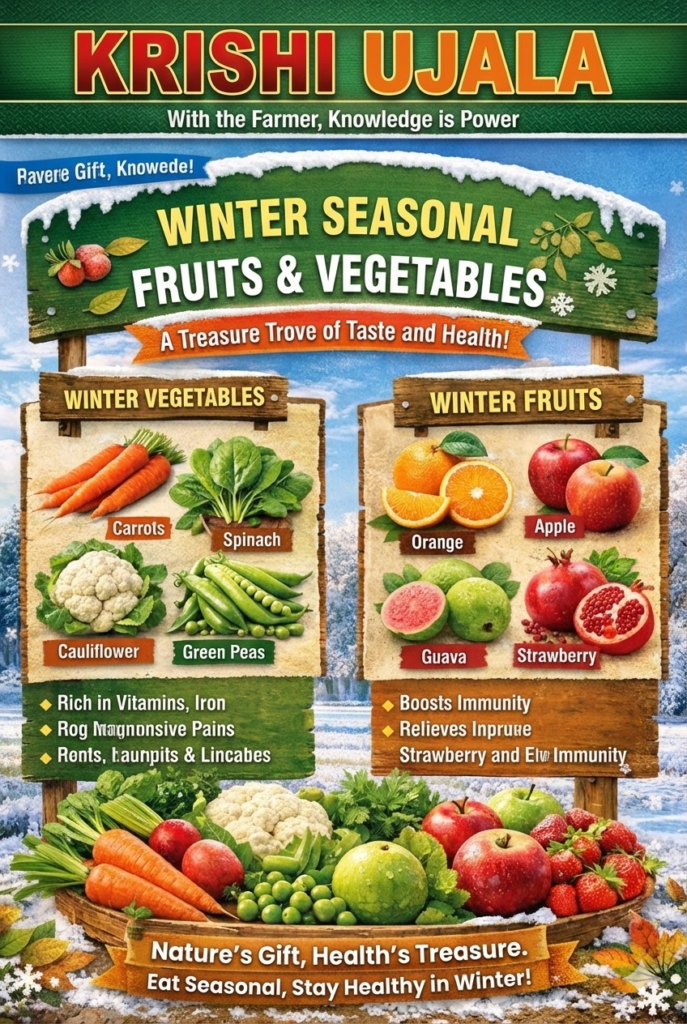
1. Carrot – The Orange Powerhouse
Crunchy, sweet, and everywhere in winter, carrots are rich in beta-carotene, which the body converts into vitamin A.
Nutritional benefits:
- Improves eyesight
- Strengthens immunity
- Promotes healthy skin and hair
Carrots are best consumed lightly cooked with a little fat (ghee or oil) to enhance nutrient absorption.
2. Spinach – The Winter Super Green
Spinach tastes better and grows better in this period of time. It’s a nutritional heavyweight disguised as a leafy green.
Nutritional benefits:
- High in iron and folic acid
- Supports blood formation
- Strengthens bones and immunity
From palak paneer to soups, spinach is winter wellness in every bite.
3. Cauliflower – The Winter Favorite
Love it or hate it, cauliflower dominates the kitchens—and for good reason.
Nutritional benefits:
- Rich in vitamin C and fiber
- Supports digestion
- Helps reduce inflammation
It’s filling, low in calories, and perfect for weight management.
4. Green Peas – Small but Mighty
Fresh green peas are a luxury you shouldn’t skip.
Nutritional benefits:
- Good source of plant protein
- Improves gut health
- Helps regulate blood sugar
They add sweetness, nutrition, and texture to any dish.
5. Radish – The Digestive Cleanser
Often underrated, radish plays a crucial role in diets.
Nutritional benefits:
- Improves digestion
- Supports liver detoxification
- Relieves respiratory congestion
Perfect for balancing heavy winter meals.
Winter Fruits: Nature’s Sweet Immunity Boost 🍊
1. Orange – The Vitamin C Superstar
No winter fruit list is complete without oranges.
Nutritional benefits:
- Strengthens immune system
- Improves skin health
- Enhances iron absorption
One orange a day can significantly reduce seasonal infections.
2. Apple – Crunch Your Way to Health
Apples are fresher, juicier, and richer in antioxidants.
Nutritional benefits:
- High in dietary fiber
- Supports heart health
- Aids digestion and weight control
An apple makes the perfect snack—simple and satisfying.
3. Guava – The Desi Superfruit
Guava quietly outperforms many imported fruits in nutrition.
Nutritional benefits:
- Extremely high vitamin C content
- Improves digestion
- Helps manage blood sugar levels
Sprinkle a little black salt and lemon, and you’ve got a classic.
4. Pomegranate – Red, Rich, and Powerful
Pomegranates are antioxidant royalty.
Nutritional benefits:
- Improves blood circulation
- Supports heart and brain health
- Reduces oxidative stress
They’re as good for your body as they look on your plate.
5. Strawberry – Natural Sweet Treat
Strawberries are seasonal, short-lived, and totally worth it.
Nutritional benefits:
- Rich in antioxidants
- Boosts immunity
- Promotes healthy skin
Eat them fresh to enjoy maximum benefits.
Why Your Body Loves Winter Seasonal Foods 💪
Seasonal foods work in harmony with the body’s circadian and metabolic rhythms. Products is naturally warming, nutrient-dense, and easier to digest during colder months. Traditional diets across cultures emphasize seasonal eating—and modern nutrition science agrees.
Eating seasonal is not old-school; it’s next-level smart living.
Simple Ways to Add Winter Produce to Your Diet 🍲
- Start mornings with fruits like apple or guava
- Add two winter vegetables to daily meals
- Prefer soups, stir-fries, and lightly cooked dishes
- Choose local, fresh produce over packaged foods
Small changes create long-term health benefits.
Final Thoughts: This Winter, Eat with the Season ❄️✨
Winter isn’t meant for crash diets or nutrient shortcuts. It’s a season to build immunity, nourish the body, and slow down. Seasonal fruits and vegetables like carrots, spinach, oranges, guava, and cauliflower are nature’s way of saying, “I’ve got your back.”
So this winter, don’t just stay warm—eat smart, eat seasonal, and let your food do the healing.
Author

Rajat Joshi is a postgraduate scholar in Agricultural Extension and Communication, with a strong academic background in rural development, farmer communication, and agricultural innovation systems. He has a keen interest in agriculture journalism, focusing on translating research, policies, and field-level innovations into clear, impactful stories for farmers, students, and stakeholders. Rajat is passionate about strengthening the bridge between science and society through credible agri-media, awareness-driven reporting, and knowledge dissemination for sustainable agriculture.