Quarantine Concerns Halt Indian Mango Shipments to Japan After Two Decades
Indian mangoes are famous worldwide for their great taste, smell, and the many kinds available. People especially like Alphonso from Maharashtra, Kesar from Gujarat, and popular varieties like Langra and Banganapalli. These mangoes usually do very well in international markets. But now, this good reputation has hit a problem because Japan has stopped buying Indian mangoes. They’re worried about how pests are handled at India’s treatment facilities.
This decision has messed up exports during the busy summer season. It also brings up important questions about quality checks, how exports are supposed to work, and what the future holds for India’s top-tier fruit business.
The First Major Restriction in Nearly 20 Years
This is the first major restriction on Indian mango imports from Japan since 2006. Back then, Japan banned them because of fruit flies. That ban was lifted only after India improved its pest control and treatment systems.
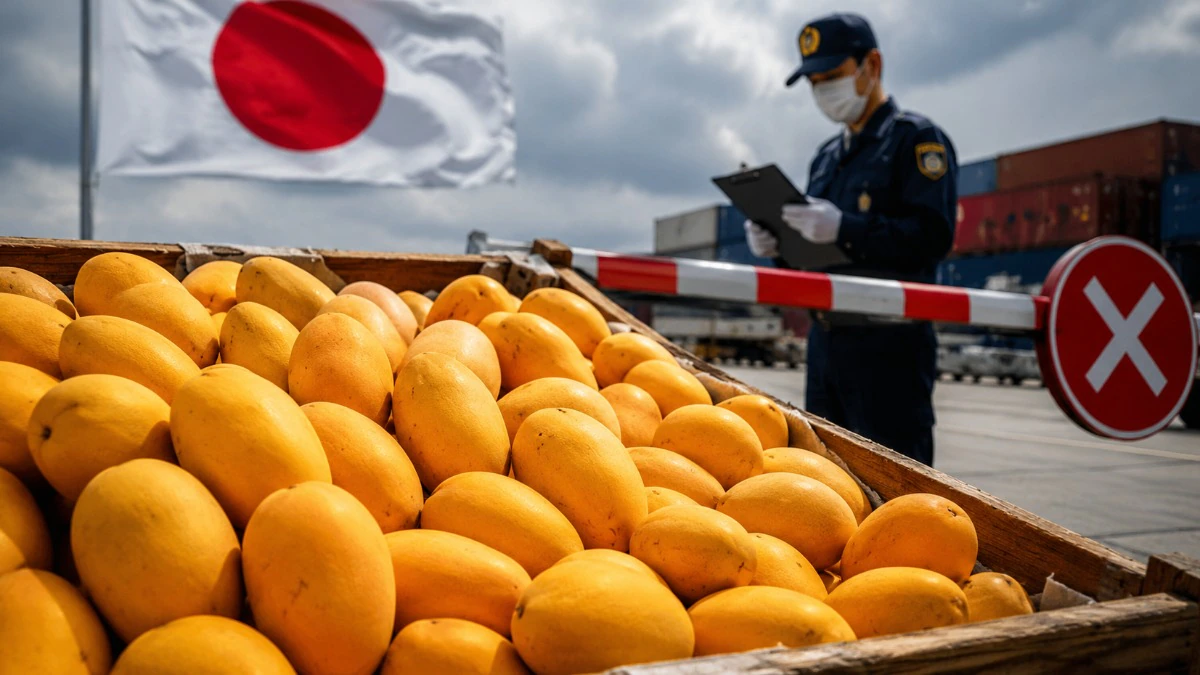
This newest ban happened after Japanese officials checked India’s Vapour Heat Treatment (VHT) facilities and found problems with the processes. Agricultural export experts say that international trade is built on trust. Even small mistakes in following pest control rules can cause big financial problems. Japan has some of the world’s strictest plant health rules. They have a zero-tolerance policy for pests like fruit flies, which could harm their own farms and food supply.
What Triggered the Suspension?
So, what caused the ban? Every year before the export season, Japanese plant quarantine officials inspect the Indian facilities that get mangoes ready for export. In March 2026, during an inspection at the Rehmanpur Vapour Heat Treatment facility in Uttar Pradesh, problems were reportedly found with the fumigation and cleaning methods. Even though officials from both countries haven’t publicly said exactly what the technical issues were, the findings were serious enough for Japanese regulators to stop accepting any mango shipments certified after March 25, 2026. The Vapour Heat Treatment process is a very important way to kill fruit fly larvae and other pests without chemicals. Mangoes are exposed to carefully controlled hot and humid air. This makes sure they meet pest control rules without any chemical residue.
Why Japan Matters Despite Modest Volumes
Japan may not buy the most Indian mangoes, but it’s one of the most profitable markets. Japanese buyers are willing to pay top prices for good quality imported fruit, making this market very valuable for Indian exporters. Being able to sell in such markets doesn’t just mean more money; it also improves the global standing of Indian farm products. Losing a high-value market isn’t just about losing sales; it’s about losing trust, which takes years to get back. Exporters worry that this ban could make other countries nervous and lead them to look more closely at India’s farm quality control systems.
Double Blow for Mango Growers
This ban couldn’t have come at a worse time for Indian farmers. Mango growers, especially those in Maharashtra who grow the Alphonso variety, have already lost a lot of their crop. This is due to really hot weather and unpredictable patterns linked to the El Niño phenomenon. Surveys in some areas show that 85 to 90 percent of the crop has been lost. Less fruit, higher costs to grow it, and not knowing about exports have put both farmers and traders in a tough spot. Farmers are fighting climate problems on one side and market issues on the other. The industry needs to be tougher and get more support from official organizations. For many growers, selling to high-end export markets provides important income that helps make up for risks in farming. So, the ban affects not just exporters, but also the farming communities that rely on selling expensive fruit.
Lessons for India’s Agricultural Export System
This situation shows how important it is for farm exports to track products, follow pest control rules, and update facilities. As countries worldwide get stricter with food safety and plant health regulations, it’s crucial to follow every single rule perfectly. Experts suggest that India needs to improve how it monitors things, do better checks on treatment facilities, and make its export approval process clearer. Investing in modern pest control facilities, digital tracking systems, and regular training for workers could help stop these kinds of problems from happening again.
The Road Ahead
Despite this problem, people in the industry are still hopeful that India and Japan can sort it out through technical discussions. They’ve solved similar challenges before by working together, upgrading facilities, and following rules more strictly. India is still the biggest mango producer in the world, making almost 28 million metric tons each year. The many different kinds of mangoes from India are still very popular globally. So, this current ban shouldn’t just be seen as a problem, but also as a chance to make India’s export system stronger.
Conclusion
Japan temporarily stopping Indian mango imports reminds us that doing well in global farm trade is as much about making sure things are good quality as it is about how much you produce. If India wants to sell more in high-end markets worldwide, keeping up with strict pest control rules will be essential. People around the world still love Indian mangoes. The real job now is to make sure every mango sent out meets the best international standards. This will keep markets open and protect the income of thousands of farmers who rely on these sales.
Author