The Rainforest Alliance and Nature-Based Solutions at COP26

The Rainforest Alliance is taking part in the UNFCCC COP26 climate summit by underscoring the importance of nature-based solutions in tackling climate change. At a time when global temperatures are rising and ecosystems are under stress, such initiatives highlight the urgent need to align environmental conservation with economic activities. The organization’s focus areas include the…

Read More

India’s “Red Gold”: The Untapped Potential of Saffron Farming

Saffron, often called “red gold,” is the most expensive spice in the world, with prices ranging from ₹2.5 lakh to ₹7 lakh per kilogram. It comes from the delicate stigmas of the saffron flower (Crocus sativus) and holds significant value in the culinary, medicinal, and cosmetic industries. Despite the high demand, India produces only about…

Read More
Tariff War

America’s Tariff War on Indian Agricultural Products: Impact, Consequences, and Policy Implications

Introduction In an era of increasing globalization, agricultural trade has become deeply intertwined with geopolitics and economic diplomacy. The tariff war between the United States and India represents a significant departure from the principles of free trade and multilateral cooperation. While tariffs are often imposed to protect domestic industries or correct trade imbalances, their repercussions…

Read More
Soils of India

Soils of India and Crops Grown on Them – Types, Characteristics, and Agricultural Importance

Introduction India’s agricultural diversity is deeply rooted in its varied soil resources. The country possesses a wide range of soil types due to differences in climate, relief, vegetation, and geological history. Understanding the soils of India and the crops grown on them is essential for sustainable agriculture, food security, and efficient land use planning. India…

Read More
seed act

Strengthening the Foundation: Modernising India’s Seed Law to Protect Farmers

Seeds are the very first building blocks of agricultural success. They determine crop vigour, yield potential, disease resistance and ultimately farmers’ income. But for decades, India’s regulatory system for seeds has lagged behind modern agriculture — relying on a law framed in 1966, before technological tools like digital traceability and quality assurance systems even existed….

Read More
Madua

Madua (Foxtail Millet): Uttarakhand’s Winter Super grain for Health and Sustainability

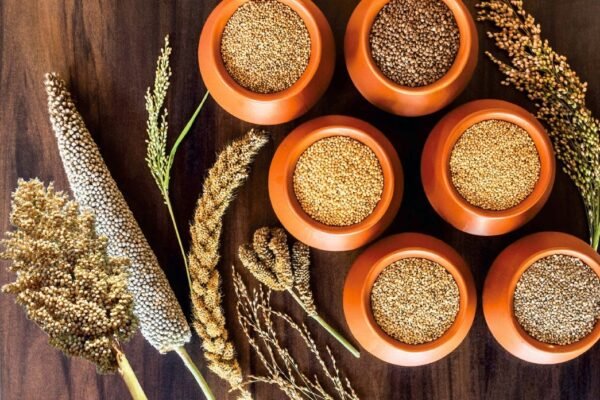
Winter in Uttarakhand brings crisp mountain air, chilly mornings, and hearty cravings for warm, nutritious meals. Enter Madua, also known as Foxtail Millet, the small but mighty grain that has been a staple in the Himalayan diet for centuries. Lightweight, easy to cook, and packed with nutrients, Madua is more than just a traditional food—it’s…

Read More
2 green revolution

A Tiny Protein, A Giant Leap: India’s Second Green Revolution

Rewriting the Roots: How a Tiny Protein Flip Could Transform Indian Agriculture India’s agricultural heartland — from the vast wheat fields of Punjab to the sprawling rice paddies of Eastern Uttar Pradesh — may be on the cusp of one of the most consequential shifts in farming since the original Green Revolution of the 1960s…

Read More

When the Sun Turns North and the Fire Warms the Fields: Makar Sankranti & Lohri

In Indian villages, festivals don’t begin in temples or calendars—they begin in the fields. The smell of ripening crops, the changing angle of sunlight, the warmth returning after long winter nights—this is how celebrations are born. Makar Sankranti and Lohri are two such festivals that rise straight from the soil, carrying the emotions of farmers,…

Read More