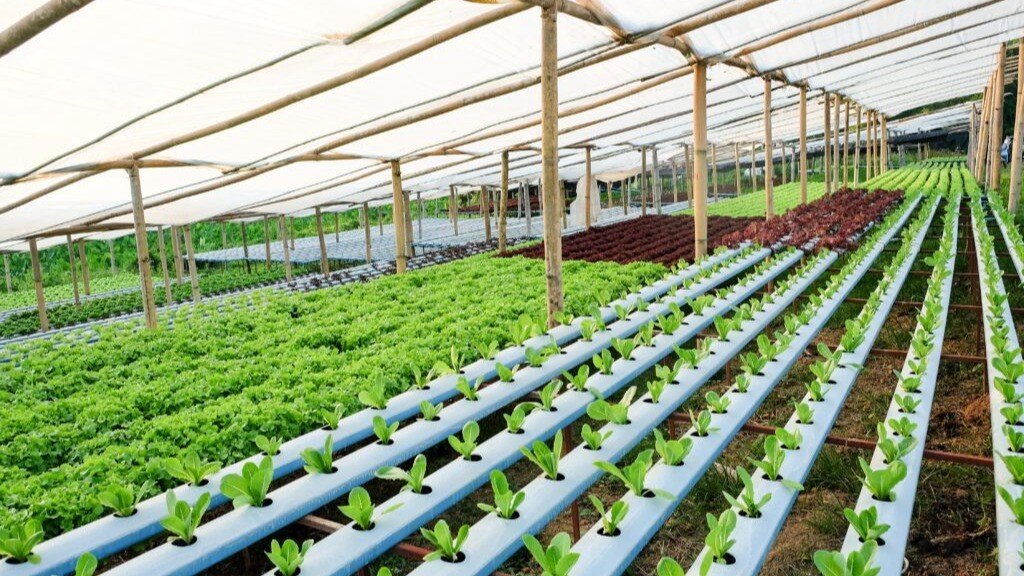
For decades, career counseling in India followed a predictable script: engineering, medicine, or corporate management. Agriculture was often viewed merely as manual labor passed down through generations, rather than a dynamic field for modern science and high-paying careers.
That mindset is shifting. As the world moves rapidly toward chemical-free living, sustainability, and climate-smart economies, a massive talent gap has opened up. The future belongs to young professionals who understand how to merge traditional ecological wisdom with modern agricultural science. Natural farming is no longer just an alternative way to grow food it is emerging as one of the most lucrative and future-proof career paths for students.
Why students should look at natural farming todayFor decades, career counseling in India followed a predictable script: engineering, medicine, or corporate management. Agriculture was often viewed merely as manual labor passed down through generations, rather than a dynamic field for modern science and high-paying careers.
That mindset is shifting. As the world moves rapidly toward chemical-free living, sustainability, and climate-smart economies, a massive talent gap has opened up. The future belongs to young professionals who understand how to merge traditional ecological wisdom with modern agricultural science. Natural farming is no longer just an alternative way to grow food it is emerging as one of the most lucrative and future-proof career paths for students.
Why students should look at natural farming today
Choosing a career path in sustainable and natural agriculture opens doors far beyond traditional farming. The ecosystem is expanding into research, corporate consulting, certification, and global trade.
➢ Exploding Market Demand for Clean Food: Urban consumers are actively paying top dollar for chemical-free, organic, and naturally grown produce. This lifestyle shift has created a massive corporate and retail rush for supply chain experts who understand natural crop cycles.
➢ Rise of Agri-Tech and Sustainable Startups: Venture capitalists are pouring funds into startups focused on biological inputs, bio-pesticides, soil microbiome research, and natural farm certification. These companies need fresh, qualified minds who know how these systems work.
➢ Government Backing and fpos: With national missions promoting chemical-free cultivation, thousands of Farmer Producer Organizations (fpos) and rural development programs are being launched, creating an urgent demand for trained field managers and project directors.
The institutional game-changer: GNFSU
A major roadblock for students interested in this sector used to be the lack of formal, recognized education. Studying natural farming meant relying on workshops or trial-and-error.
That changed completely with the establishment of the Gujarat Natural Farming Science University (GNFSU), located in Halol, Panchmahal. As a premier institution dedicated entirely to natural and organic agricultural sciences, GNFSU bridges the gap between ancient farming roots and modern academic rigor.
➢ Equal Academic Value and Equivalency: A common concern among students is whether a specialized degree holds official weight in the job market. Programs like the B.Sc. (Hons.) Agriculture (Natural Farming) and M.Sc. (Agri.) In Natural Farming offered by GNFSU are fully structured to match rigorous national agricultural education standards. They carry complete academic equivalence to traditional agriculture degrees, making graduates fully eligible for higher studies, government roles, and corporate placements.
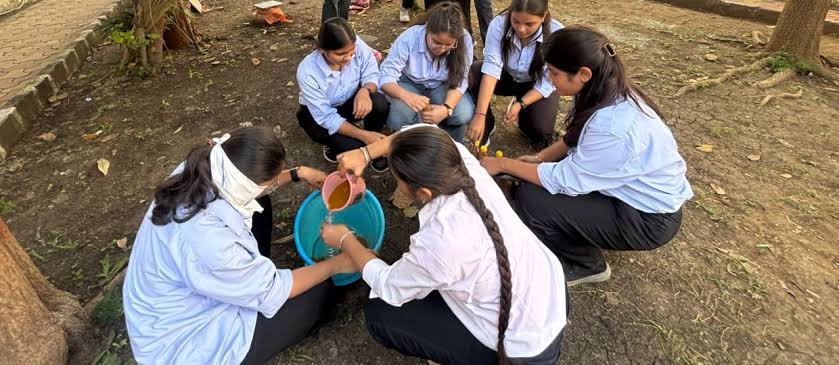
➢ High-Tech Science Meets Tradition: Students at GNFSU don’t just study old methods; they use advanced laboratories to analyze soil microbiology, formulate and test natural growth promoters like Jeevamrit and Beejamrit, and research multi-layer cropping models. This gives students a unique technical edge that chemical-only universities do not provide.
Career paths
Students graduating with a specialization in natural farming have a wide runway of high-impact career options:
• Agricultural Officers and Consultants: State departments and private agri-businesses hire specialized graduates to guide large farming clusters on transitioning away from chemicals without dropping yields.
• FPO Leaders and Rural Entrepreneurs: Many graduates choose to manage or establish Farmer Producer Organizations, helping local farming communities brand, package, and export chemical-free crops directly to international markets at high profit margins.
• Research and Certification Scientists: With global food safety standards tightening, trained professionals are required to audit farms, test soil health indexes, and lead research and development (R&D) for organic input companies.
Take the example of young agronomists graduating from specialized sustainable programs who partner with rural cooperatives. Instead of starting at the bottom of a traditional corporate ladder, many step directly into advisory roles for government-backed missions such as training thousands of grassroots leaders and Krishi Sakhis. They command respect, earn competitive packages, and drive real, measurable environmental change.
Natural farming is shifting from the fringes to the center of India’s economic roadmap. For students deciding on a path, choosing a degree in natural sciences isn’t just about protecting the earth it is about positioning yourself at the forefront of the next big economic boom.
Author

Sakshi Kulshrestha, an Agricultural University student from Gujarat. Have keen interest in public welfare as well as human psychology. National debater and have served as intern under Ministry of Women and Child Development, GOI.