Rajat Joshi

Rajat Joshi is a postgraduate scholar in Agricultural Extension and Communication, with a strong academic background in rural development, farmer communication, and agricultural innovation systems. He has a keen interest in agriculture journalism, focusing on translating research, policies, and field-level innovations into clear, impactful stories for farmers, students, and stakeholders. Rajat is passionate about strengthening the bridge between science and society through credible agri-media, awareness-driven reporting, and knowledge dissemination for sustainable agriculture.

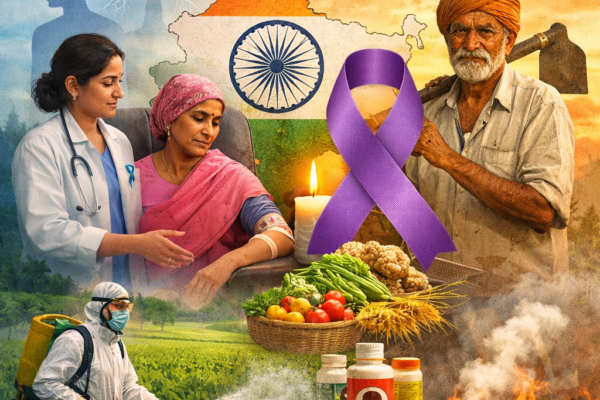
Winters

Battling the Harsh Dry Winters in India: Causes, Effects, and Precautions for Health

Dry Winters 2025-26 Dry winters in India are a significant seasonal challenge that affects millions of people, especially in northern and western regions. Unlike the humid monsoon months, winter in India is characterized by cold air, low humidity, and arid conditions that can take a toll on health, agriculture, and daily life. Understanding the causes,…

Read More
Zero Budget Natural Farming

Zero Budget Natural Farming: An Inspiring Case of Innovation under Water-Scarce Conditions

Introduction Indian agriculture is increasingly challenged by climate variability, declining soil health, rising input costs, and water scarcity. In such a scenario, Zero Budget Natural Farming (ZBNF) has emerged as a sustainable alternative that reduces dependence on external inputs and revives ecological balance. ZBNF emphasizes the use of locally available resources, particularly cow-based inputs, to…

Read More
Tariff War

America’s Tariff War on Indian Agricultural Products: Impact, Consequences, and Policy Implications

Introduction In an era of increasing globalization, agricultural trade has become deeply intertwined with geopolitics and economic diplomacy. The tariff war between the United States and India represents a significant departure from the principles of free trade and multilateral cooperation. While tariffs are often imposed to protect domestic industries or correct trade imbalances, their repercussions…

Read More
Tulsi

Tulsi Plant (Ocimum sanctum) – Taxonomy, Medicinal Benefits, and Recent Scientific Discoveries

Introduction Tulsi, commonly known as Holy Basil, occupies a unique position in Indian tradition, spirituality, and medicine. Revered as a sacred plant in Hindu households, Tulsi is not only worshipped for its divine significance but also valued for its remarkable medicinal properties. Scientifically known as Ocimum sanctum or Ocimum tenuiflorum, Tulsi has been an integral…

Read More
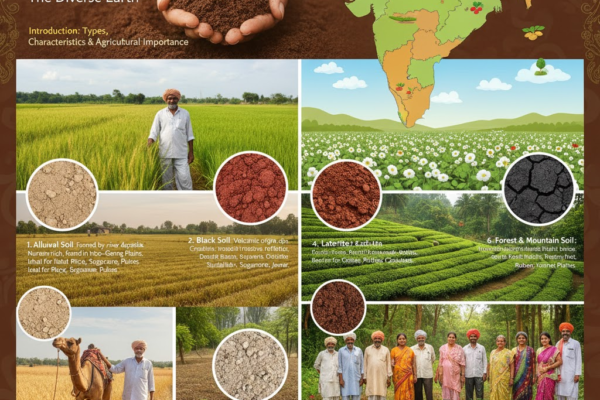
Soils of India

Soils of India and Crops Grown on Them – Types, Characteristics, and Agricultural Importance

Introduction India’s agricultural diversity is deeply rooted in its varied soil resources. The country possesses a wide range of soil types due to differences in climate, relief, vegetation, and geological history. Understanding the soils of India and the crops grown on them is essential for sustainable agriculture, food security, and efficient land use planning. India…

Read More
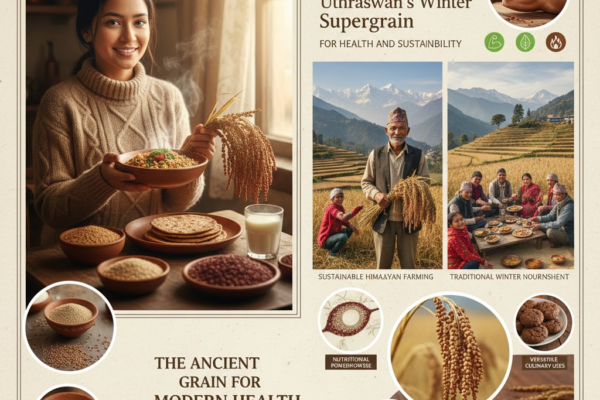
Madua

Madua (Foxtail Millet): Uttarakhand’s Winter Super grain for Health and Sustainability

Winter in Uttarakhand brings crisp mountain air, chilly mornings, and hearty cravings for warm, nutritious meals. Enter Madua, also known as Foxtail Millet, the small but mighty grain that has been a staple in the Himalayan diet for centuries. Lightweight, easy to cook, and packed with nutrients, Madua is more than just a traditional food—it’s…

Read More