
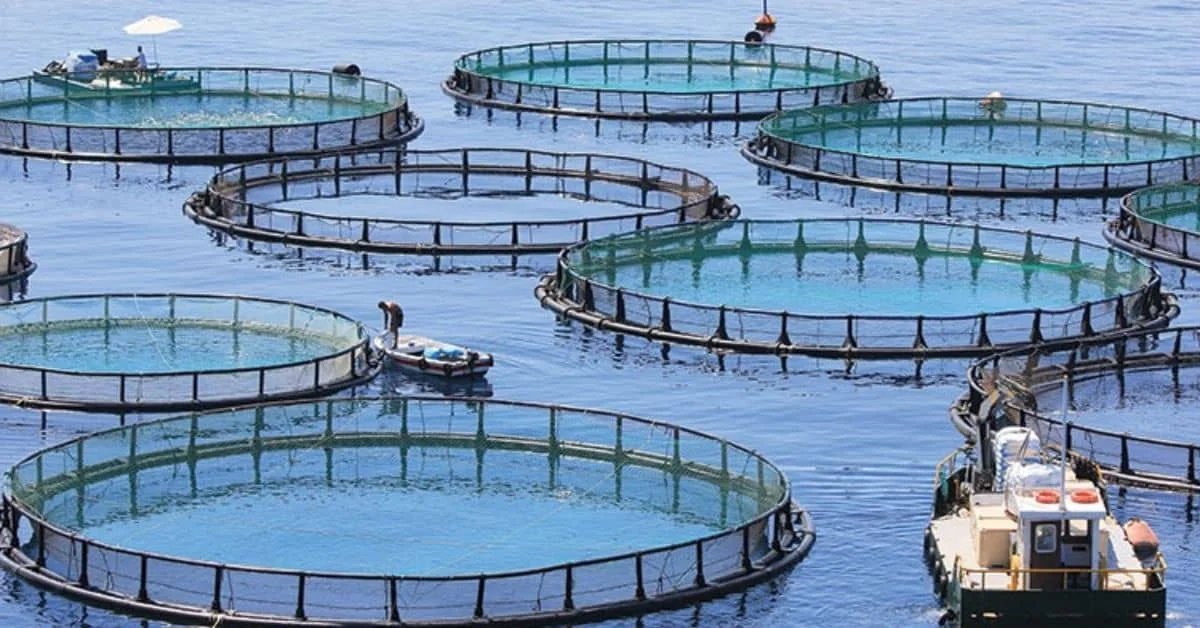
The fisheries sector is undergoing a silent but powerful transformation. With rising demand for protein-rich food, climate change pressures, declining natural fish stocks, and increasing production costs, traditional fishing and aquaculture practices are no longer sufficient. This is where agri-innovation in fisheries plays a crucial role.
Agri-innovation refers to the integration of technology, scientific research, sustainable practices, and entrepreneurship to enhance productivity, profitability, and environmental sustainability. In fisheries, innovation is reshaping how fish are bred, fed, monitored, harvested, and marketed.
Importance of Agri-Innovation in Fisheries
Fisheries contribute significantly to food security, nutrition, employment, and rural livelihoods, especially in countries like India. However, challenges such as water pollution, disease outbreaks, feed inefficiency, post-harvest losses, and climate variability demand innovative solutions.
Agri-innovation in fisheries helps to:
- Increase fish production sustainably
- Reduce production risks and losses
- Improve income of fish farmers and fishers
- Promote eco-friendly and climate-smart aquaculture
- Encourage youth and startups to enter the fisheries sector
Technological Innovations in Fisheries
1. Smart Aquaculture and Digital Tools
One of the biggest breakthroughs in fisheries innovation is the adoption of digital and smart technologies. Internet of Things (IoT) sensors are now used to monitor water quality parameters such as temperature, dissolved oxygen, pH, ammonia, and turbidity in real time.
Mobile apps and cloud-based platforms help farmers:
- Track fish growth and feed conversion ratio
- Receive disease alerts
- Optimize feeding schedules
- Access weather forecasts and market prices
Artificial Intelligence (AI) and data analytics further help in predictive decision-making, reducing mortality and improving productivity.
2. Precision Aquaculture
Precision aquaculture focuses on using the right input at the right time in the right quantity. Automated feeders, underwater cameras, and sensor-based monitoring systems reduce feed wastage, which is one of the biggest costs in fish farming.
Benefits include:
- Lower feed costs
- Improved water quality
- Faster fish growth
- Reduced environmental pollution
Innovative Fish Production Systems
3. Biofloc Technology
Biofloc technology is a revolutionary innovation in aquaculture. It converts fish waste into beneficial microbial protein, which can be consumed by fish.
Key advantages:
- Minimal water exchange
- Lower feed cost
- Improved biosecurity
- Higher stocking density
Biofloc is especially popular for shrimp, tilapia, and carp farming, and is suitable for small and medium farmers.
4. Recirculatory Aquaculture System (RAS)
RAS is an advanced fish farming system where water is filtered and reused continuously. It allows fish farming in controlled environments, even in urban areas.
Benefits of RAS:
- Very low water usage
- High biosecurity
- Year-round production
- Suitable for high-value fish species
Though capital-intensive, RAS is gaining popularity among startups and commercial aquaculture ventures.
5. Cage and Pen Culture
Cage and pen culture systems utilize existing water bodies such as reservoirs, lakes, rivers, and coastal waters. This innovation increases fish production without requiring additional land.
It is particularly beneficial for:
- Fisher cooperatives
- Inland and coastal communities
- Efficient utilization of public water resources
Genetic and Breeding Innovations
Selective breeding and hatchery innovations have led to the development of fast-growing, disease-resistant, and climate-tolerant fish strains.
Innovations include:
- Improved broodstock management
- Monosex culture (e.g., tilapia)
- Genetic improvement programs
- Advanced hatchery technologies
These advancements significantly improve survival rates and productivity.
Feed and Nutrition Innovations
Feed accounts for nearly 60–70% of aquaculture production cost. Innovations in fish feed are therefore crucial.
Key feed innovations include:
- Floating and extruded feeds
- Use of alternative protein sources such as insects, algae, and plant proteins
- Probiotics, prebiotics, and functional feeds
- Precision feeding strategies
These innovations improve feed efficiency, fish health, and farm profitability.
Fish Health and Disease Management Innovations
Disease outbreaks are one of the biggest risks in fisheries. Agri-innovation has introduced preventive and eco-friendly health management approaches.
Innovations include:
- Early disease detection tools
- Biosensors and diagnostic kits
- Vaccines for major fish diseases
- Reduced use of antibiotics through probiotics and immunostimulants
Healthy fish not only reduce losses but also ensure food safety.
Post-Harvest and Value Addition Innovations
Post-harvest losses in fisheries can be as high as 20–25%. Innovations in post-harvest management are improving shelf life and farmer income.
Key innovations include:
- Cold chain and refrigerated transport
- Improved icing and packaging methods
- Ready-to-cook and ready-to-eat fish products
- Fish processing and waste utilization
Fish waste is now used to produce fish oil, collagen, animal feed, and organic fertilizers, adding value and reducing environmental impact.
Sustainability and Climate-Smart Fisheries
Climate change is affecting fish habitats, water availability, and disease patterns. Agri-innovation promotes climate-resilient fisheries through:
- Integrated fish farming systems (fish + crops/livestock)
- Water-efficient aquaculture technologies
- Eco-friendly feeds and farming practices
- Mangrove-based and ecosystem-based fisheries management
These approaches balance productivity with environmental conservation.
Role of Startups and Entrepreneurship in Fisheries Innovation
Agri-startups are playing a key role in modernizing fisheries by offering:
- Farm management software
- Direct-to-consumer fish marketing platforms
- Traceability and blockchain solutions
- Advisory and extension services
Such innovations bridge the gap between farmers, markets, and consumers, ensuring transparency and better prices.
Government Support for Fisheries Innovation in India
The Indian government actively promotes fisheries innovation through schemes like:
- Pradhan Mantri Matsya Sampada Yojana (PMMSY)
- Financial support for hatcheries, cold storage, and aquaculture infrastructure
- Skill development and capacity building programs
- Support for fisheries startups and entrepreneurs
These initiatives aim to make India a global fisheries powerhouse.
Conclusion
Agri-innovation in fisheries is no longer an option—it is a necessity. By combining technology, sustainability, research, and entrepreneurship, fisheries can become more productive, resilient, and profitable.
With the right policies, investments, and awareness, agri-innovation has the potential to transform fisheries into a future-ready, climate-smart, and youth-driven sector, ensuring food security, rural development, and economic growth.
Author

Gagan Tripathi is an agripreneur, plant scientist, and author known for his work in agritech innovation and sustainable horticulture. He is the Co-founder and CEO of Plant Orbit, a horticulture-focused startup dedicated to making healthy, scientifically managed plants accessible to urban and institutional consumers. Born in 2000, Gagan holds a master’s degree in Agriculture Extension and Communication, blending agricultural science with entrepreneurship and community outreach. He is also the author of the bestseller “Roadmap to Your Healthy Succulents”. His work focuses on sustainable plant care, green entrepreneurship, and building impact-driven agri startups in India.

This is a very good tips especially to those new to blogosphere, brief and accurate information… Thanks for sharing this one. A must read article.
excellent post, very informative. I wonder why the other experts of this sector do not notice this. You must continue your writing. I’m confident, you have a huge readers’ base already!