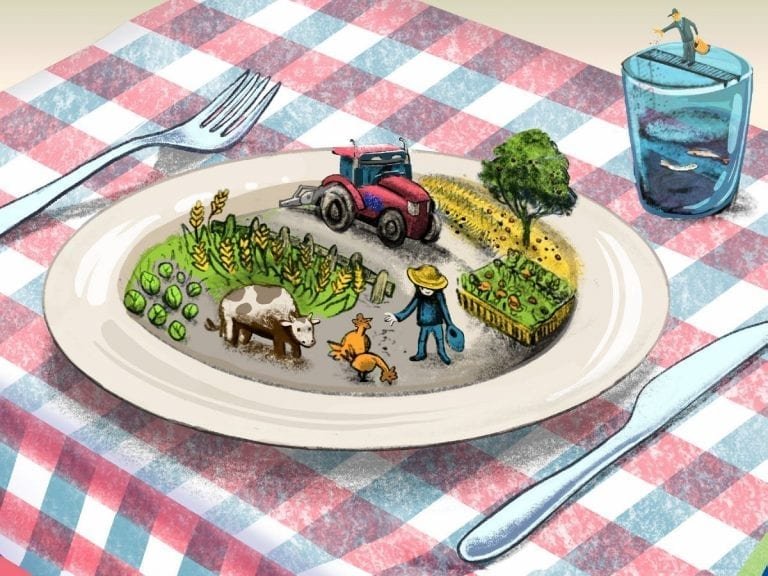
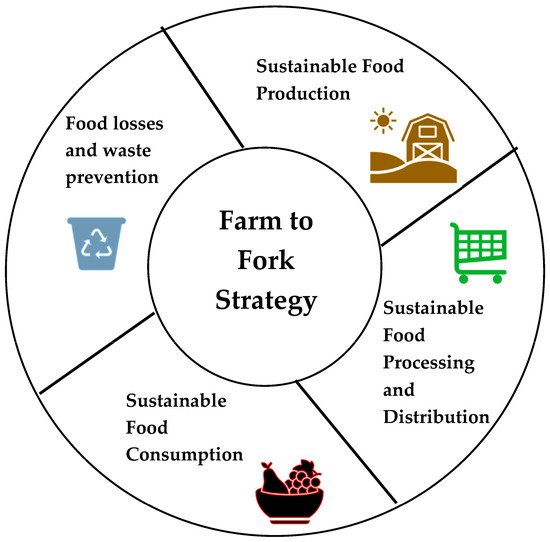
Farm-to-fork digital platforms are technology-driven systems that connect farmers directly with consumers, retailers, processors, and institutions, ensuring transparency, efficiency, and fair value across the food supply chain. These platforms play a crucial role in reducing intermediaries, minimizing post-harvest losses, and delivering fresh, traceable food to end users.
What Are Farm-to-Fork Digital Platforms?
Farm-to-fork digital platforms use mobile apps, websites, cloud computing, IoT, and data analytics to manage the entire journey of food—from production on the farm to consumption on the plate.
They typically integrate:
- Farmer onboarding and produce listing
- Demand forecasting and order management
- Logistics and cold-chain coordination
- Digital payments and traceability
- Quality assurance and feedback systems
Key Features of Farm-to-Fork Platforms
1. Direct Farmer–Consumer Connection
These platforms eliminate multiple middlemen, enabling farmers to sell directly to:
- Urban consumers
- Retailers
- Restaurants and hotels
- Institutions and corporate buyers
This improves price realization for farmers and reduces costs for consumers.
2. Digital Market Access
Farmers can list their produce digitally with:
- Crop details
- Quantity and availability
- Expected harvest dates
- Price transparency
This empowers farmers with real-time market access beyond local mandis.
3. Traceability and Transparency
Using QR codes, blockchain, or batch tracking, consumers can trace:
- Farm location
- Farming practices (organic/natural)
- Harvest and delivery dates
Traceability builds consumer trust and food safety assurance.
4. Logistics and Cold Chain Integration
Farm-to-fork platforms often integrate:
- Aggregation centers
- Smart logistics
- Cold storage and refrigerated transport
This significantly reduces post-harvest losses, especially in fruits, vegetables, dairy, and meat.
5. Digital Payments and Financial Inclusion
- Instant digital payments to farmers
- Reduced cash dependency
- Better transaction records for credit access
This supports financial inclusion of small and marginal farmers.
Benefits of Farm-to-Fork Digital Platforms
🌱 For Farmers
- Better and stable prices
- Reduced dependency on traders
- Market predictability
- Access to demand-driven production
🥗 For Consumers
- Fresh and safe food
- Transparent sourcing
- Competitive prices
- Support to local farmers
🌍 For the Food System
- Reduced food waste
- Efficient supply chains
- Lower carbon footprint
- Improved food security
Role of Technology in Farm-to-Fork Platforms
- Mobile apps for farmer onboarding and order management
- AI & data analytics for demand forecasting
- IoT sensors for storage and transport monitoring
- Blockchain for traceability and trust
- Cloud platforms for scalability and real-time operations
Farm-to-Fork Platforms in India (Examples)
- Ninjacart – B2B fresh produce supply chain
- DeHaat – End-to-end agriplatform
- Jumbotail – Farmer-to-retailer ecosystem
- WayCool – Farm-to-fork food supply network
- BigBasket (BB Fresh) – Direct sourcing from farmers
These platforms have demonstrated how digital innovation can scale agricultural markets.
Challenges Faced by Farm-to-Fork Platforms
Despite their potential, these platforms face challenges such as:
- High logistics and infrastructure costs
- Farmer digital literacy gaps
- Supply consistency issues
- Quality standardization
- Thin margins in perishables
Successful platforms address these through cluster-based sourcing, farmer training, and technology integration.
Future of Farm-to-Fork Digital Platforms
The future is promising due to:
- Growing demand for fresh and traceable food
- Expansion of e-commerce and quick commerce
- Government support for digital agriculture
- Integration with FPOs and cooperatives
In the coming years, farm-to-fork platforms will evolve into data-driven food ecosystems, linking production planning, sustainability metrics, and consumer preferences.
Conclusion
Farm-to-fork digital platforms are redefining how food moves from fields to plates. By combining technology, transparency, and trust, they create a win-win model for farmers, consumers, and the environment. As agritech adoption increases, these platforms will play a central role in building resilient, efficient, and sustainable food systems.
🔑 SEO Keywords
Farm to fork digital platforms, farm to fork agritech, digital agriculture platforms, farm to consumer platforms, agritech supply chain, traceability in agriculture, digital food supply chain
Author

Gagan Tripathi is an agripreneur, plant scientist, and author known for his work in agritech innovation and sustainable horticulture. He is the Co-founder and CEO of Plant Orbit, a horticulture-focused startup dedicated to making healthy, scientifically managed plants accessible to urban and institutional consumers. Born in 2000, Gagan holds a master’s degree in Agriculture Extension and Communication, blending agricultural science with entrepreneurship and community outreach. He is also the author of the bestseller “Roadmap to Your Healthy Succulents”. His work focuses on sustainable plant care, green entrepreneurship, and building impact-driven agri startups in India.