
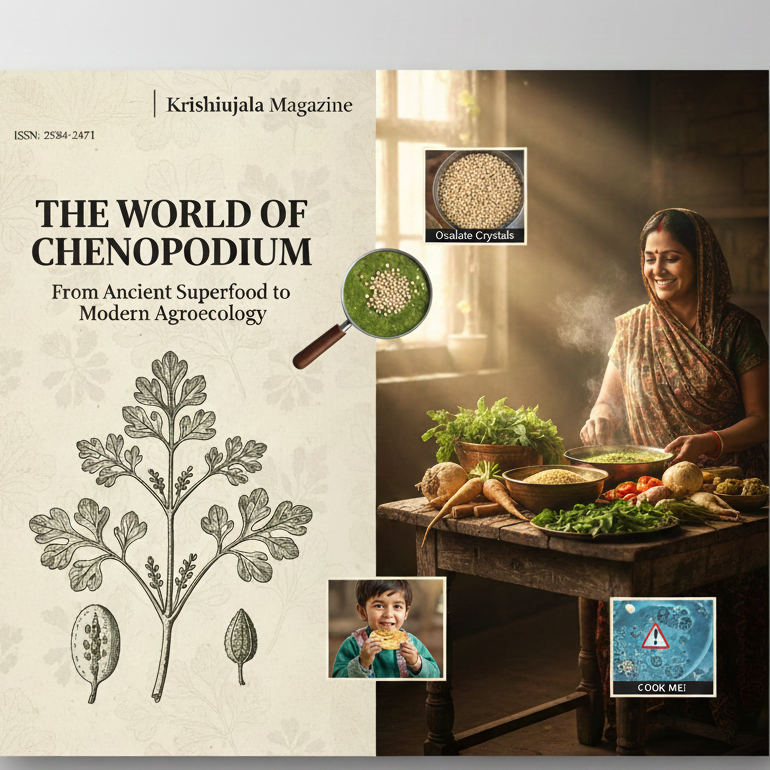
Why Chenopodium album Deserves a Spot on Your Plate and Your Farm
Focus Keyword: Bathua (Chenopodium album)
Secondary Keywords: Bathua benefits, Chenopodium nutrition, winter leafy vegetables, Bathua medicinal uses, quinoa family plant
If superfoods had an Indian cousin who didn’t need fancy packaging or international branding, Bathua (Chenopodium album) would be it.
Growing quietly along wheat fields, roadsides, and kitchen gardens, Bathua is often dismissed as a “just another weed.” Ironically, this so-called weed belongs to the same genus as quinoa—the globally celebrated super grain. Long before quinoa bowls became Instagram-famous, Bathua had already secured its place in Indian kitchens, Ayurveda, and winter diets.
Welcome to the story of Bathua: the underestimated champion of nutrition, medicine, and agroecology.
What Is Bathua, Really?
Bathua belongs to the genus Chenopodium, commonly known as goosefoots, named after their distinctive leaf shape. The genus includes over 150 species, ranging from leafy vegetables and medicinal herbs to pseudocereals like quinoa (Chenopodium quinoa).
In India, Chenopodium album—popularly called Bathua—is a Rabi season plant, thriving in cool winters and fertile soils. While farmers often see it as a weed, nutritionists and traditional healers see it as gold growing in the field.
From Weed to Wow: Botanical Brilliance
Bathua is an annual herb with erect, branched stems and soft, triangular leaves coated with a characteristic mealy texture. Its flowers are small, green, and wind-pollinated—nothing flashy, but highly efficient.
What makes Bathua special is its seed and leaf diversity, allowing it to survive harsh climates, poor soils, and minimal care. This resilience explains why Bathua spreads easily and why nature seems to love it—even when farmers don’t.
Nutritional Power That Puts Spinach to Shame
Calling Bathua a winter green is an understatement. It is a nutritional heavyweight packed into tender green leaves.
Bathua is rich in:
- High-quality plant protein
- Dietary fibre
- Vitamin A & beta-carotene (eye and skin health)
- Vitamin C (immunity booster)
- Iron & calcium (blood and bone strength)
- Potassium & magnesium (heart and muscle health)
In short, Bathua is what nutritionists wish modern diets had more of—local, seasonal, affordable, and powerful.
Ayurveda’s Winter Favourite
In Ayurveda, Bathua is known as Vastuka and is valued for balancing Vata and Kapha doshas.
Traditional properties include:
- Antiscorbutic (prevents Vitamin C deficiency)
- Anti-inflammatory (reduces swelling and pain)
- Anti-helminthic (kills intestinal worms)
- Digestive and mild laxative
- Blood purifying and liver-supporting
From treating constipation and worms to supporting liver health and immunity, Bathua has quietly served as nature’s winter medicine cabinet.
Farm Ecology: Indicator, Not Just Invader
Yes, Bathua competes with crops—but it also tells a story.
Its presence often indicates nitrogen-rich, fertile soils. As a pioneer species, Bathua helps:
- Stabilize disturbed soils
- Contribute organic matter
- Support biodiversity
In sustainable and low-input farming systems, Bathua can shift roles—from weed to nutritional by-product, especially when harvested young.
Cultivation Made Simple
Bathua doesn’t ask for much—and that’s its biggest strength.
- Season: October–November
- Soil: Well-drained loamy soils
- Climate: Cool winters
- Harvest: 30–45 days for greens
- Inputs: Minimal; organic manure works best
In kitchen gardens and marginal lands, Bathua grows almost effortlessly—proof that good food doesn’t always need high investment.
But Is Bathua Completely Safe?
Yes—when cooked properly.
Bathua contains natural anti-nutrients like oxalates and saponins. Cooking:
- Reduces oxalate levels
- Improves mineral absorption
- Enhances digestibility
Moderation and cooking are the golden rules. Raw overconsumption is a no-go, especially for people with kidney issues.
On the Plate: Desi Comfort with a Health Halo
Bathua shines in traditional Indian recipes:
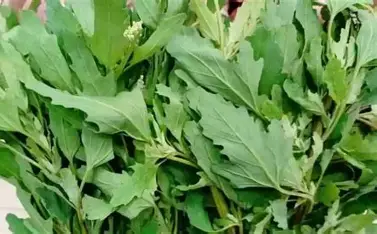
- Bathua saag
- Parathas
- Dal
- Raita
- Winter soups
Every bite is a reminder that our traditional food wisdom was decades ahead of modern nutrition science.
Final Word: Respect the Weed
Bathua doesn’t need rebranding. It needs recognition.
At a time when food security, sustainable diets, and climate-resilient crops dominate agricultural discussions, Chenopodium album stands tall as a local solution with global relevance.
So next time you see Bathua growing freely, don’t just pull it out—put it on your plate.
Because sometimes, the most powerful superfoods are the ones we’ve been ignoring all along.
Author

Rajat Joshi is a postgraduate scholar in Agricultural Extension and Communication, with a strong academic background in rural development, farmer communication, and agricultural innovation systems. He has a keen interest in agriculture journalism, focusing on translating research, policies, and field-level innovations into clear, impactful stories for farmers, students, and stakeholders. Rajat is passionate about strengthening the bridge between science and society through credible agri-media, awareness-driven reporting, and knowledge dissemination for sustainable agriculture.


One thought on “Bathua: The Winter Weed That Outsmarts Superfoods”