
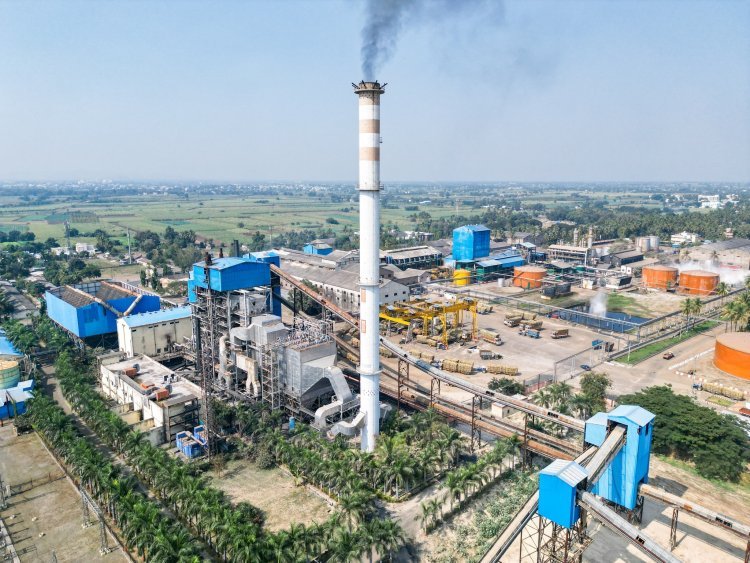
New Delhi: India’s sugar sector has witnessed a significant surge in production in the 2025–26 sugar season, led by major sugarcane-producing states such as Maharashtra and Uttar Pradesh. Early estimates from industry bodies and state sugar departments indicate a sharp year-on-year increase, driven by favourable monsoon conditions, improved cane yields, and expanded area under sugarcane cultivation.
Maharashtra, the country’s second-largest sugar producer, has recorded higher cane recovery rates this season, supported by adequate rainfall and better water availability in key growing belts. Similarly, Uttar Pradesh continues to maintain strong production momentum due to timely sowing, improved varieties, and sustained government support to farmers.
Pressure on Prices and Mill Economics
While higher output is a positive sign for farmers and food security, it has raised concerns about excess domestic supply, which could put downward pressure on sugar prices. Sugar mills have reiterated their demand for an increase in the Minimum Selling Price (MSP) of sugar, arguing that current levels do not adequately cover rising production costs, including labour, transport, and energy expenses.
Industry representatives have warned that without a revision in MSP, mills may face liquidity stress, potentially impacting timely payment of cane dues to farmers.
Push for Ethanol Diversion
To manage surplus sugar and stabilise prices, stakeholders are strongly advocating for greater diversion of sugar and sugarcane juice towards ethanol production under the Ethanol Blended Petrol (EBP) programme. India’s ambitious target of achieving 20% ethanol blending in petrol has made ethanol a critical outlet for excess sugar.
Government-backed ethanol procurement, especially from B-heavy molasses and sugarcane juice, has already helped balance supply in recent seasons. Experts believe that increasing ethanol diversion further could not only support mill revenues but also reduce dependence on fossil fuels and enhance farmers’ income.
Outlook
With production expected to remain high through the season, policymakers are likely to closely monitor market dynamics. Decisions on MSP revision, export policy, and ethanol procurement prices will play a crucial role in determining the sector’s stability.
The sugar output surge highlights India’s strong agricultural base, but it also underscores the need for balanced policy interventions to protect farmers, ensure mill viability, and align with the country’s renewable energy goals
Author

Pawni Uprari hails from Lucknow, Uttar Pradesh, and is currently pursuing a B.Sc. (Hons.) in Agriculture at G.B. Pant University of Agriculture and Technology. With a strong academic foundation in agricultural sciences, she has a keen interest in exploring emerging innovations, sustainable practices, and policy-driven advancements in the agricultural sector. She is enthusiastic about contributing insightful articles and research-based content that highlight contemporary developments and support the growth of the farming community.
Everything is very open and very clear explanation of issues. was truly information. Your website is very useful. Thanks for sharing.