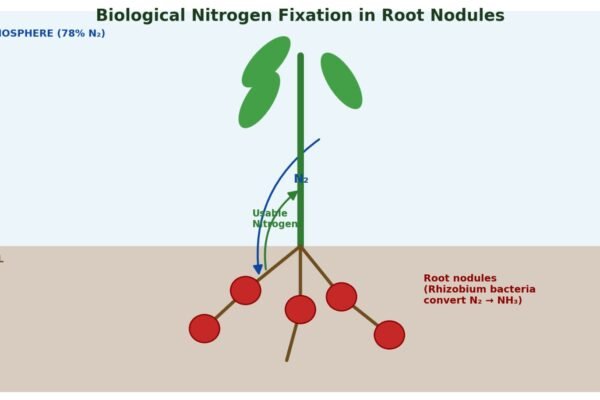
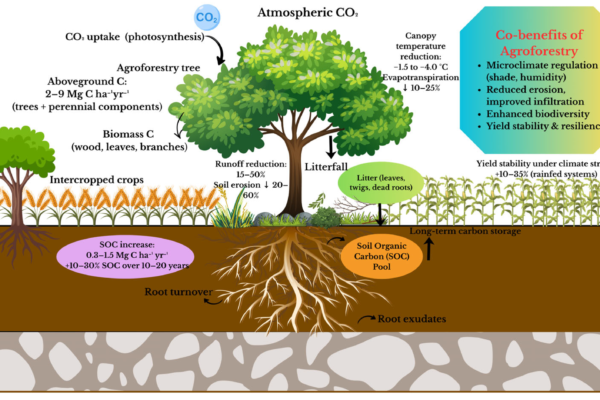
Walk into any thriving farm today and you will find a quiet revolution happening beneath the soil surface, invisible to thenaked eye but critical to every green leaf above it. Long before chemical fertilizers were ever manufactured, soilmicroorganisms were already feeding plants — fixing nitrogen from the air, unlocking phosphorus trapped in rock particles,and building intimate partnerships with roots. Modern agriculture is now rediscovering these ancient microbial allies andpackaging them as biofertilizers, offering farmers a way to grow more food while asking less of the soil, the water table, andthe atmosphere. This renewed interest is not nostalgia; it is necessity. Decades of intensive chemical fertilizer use have left many soilsdepleted of organic matter, imbalanced in microbial diversity, and increasingly unresponsive to further doses of urea andphosphate. Biofertilizers offer a complementary, biology-driven path back to soil health without asking farmers to sacrificeproductivity. What Exactly Is a Biofertilizer? A biofertilizer is a formulation containing live or dormant cells of beneficial microorganisms — bacteria, fungi, or algae — that, when applied to seed, soil, or root, colonize the rhizosphere or the interior of the plant and promote growth. Unlike chemical fertilizers, which supply nutrients directly, biofertilizers work…