Agriculture is the most important industry in our life and is considered the backbone of an economy. Agriculture is an industry that is not only related to cultivation but also to the other activities such as animal husbandry, dairy, fishery and horticulture. Agriculture plays a very important role in sustenance of life, earning livelihood and development of the nation.
Primary Source of Food:
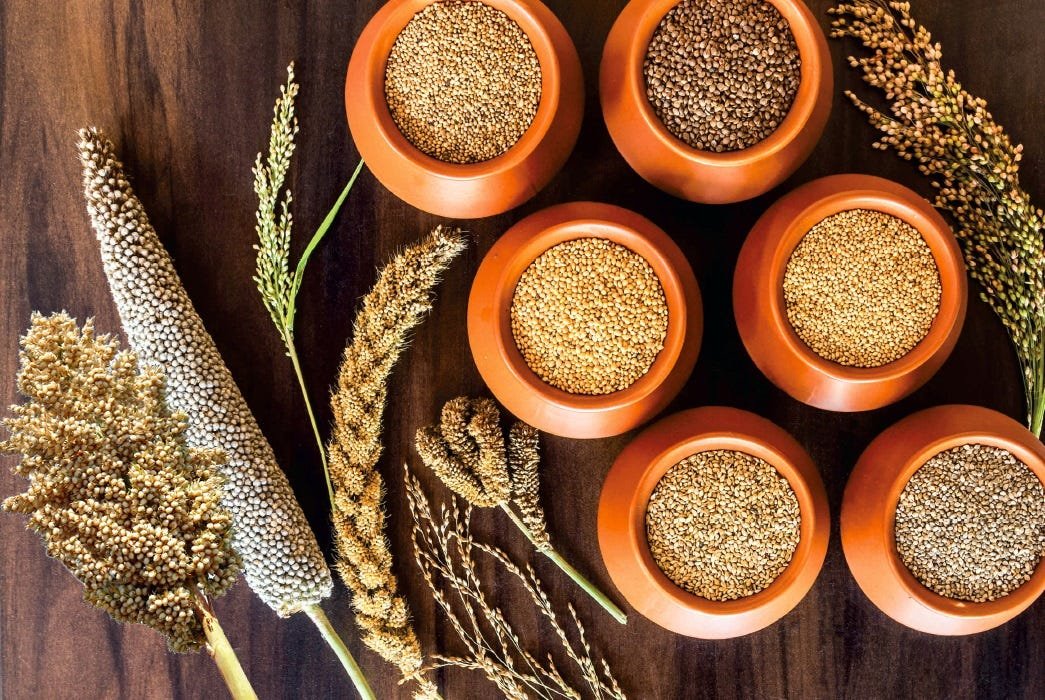
Agriculture is the primary source of food for man as well as animals. It provides various food items such as cereals (rice, wheat, maize), pulses, fruits, vegetables, milk, eggs and meat which provide various nutrients such as carbohydrates, proteins, vitamins and minerals needed for living a healthy life. Life will not be possible on earth without agriculture.
Ensures Food Security and Nutrition:
The production of enough quantity of food for meeting the food demands of the people is made possible through agriculture and thus agriculture ensures food security. It reduces hunger, starvation and malnutrition. An efficient agricultural system ensures availability of food, accessibility of food and affordability of food.
Largest Source of Employment:
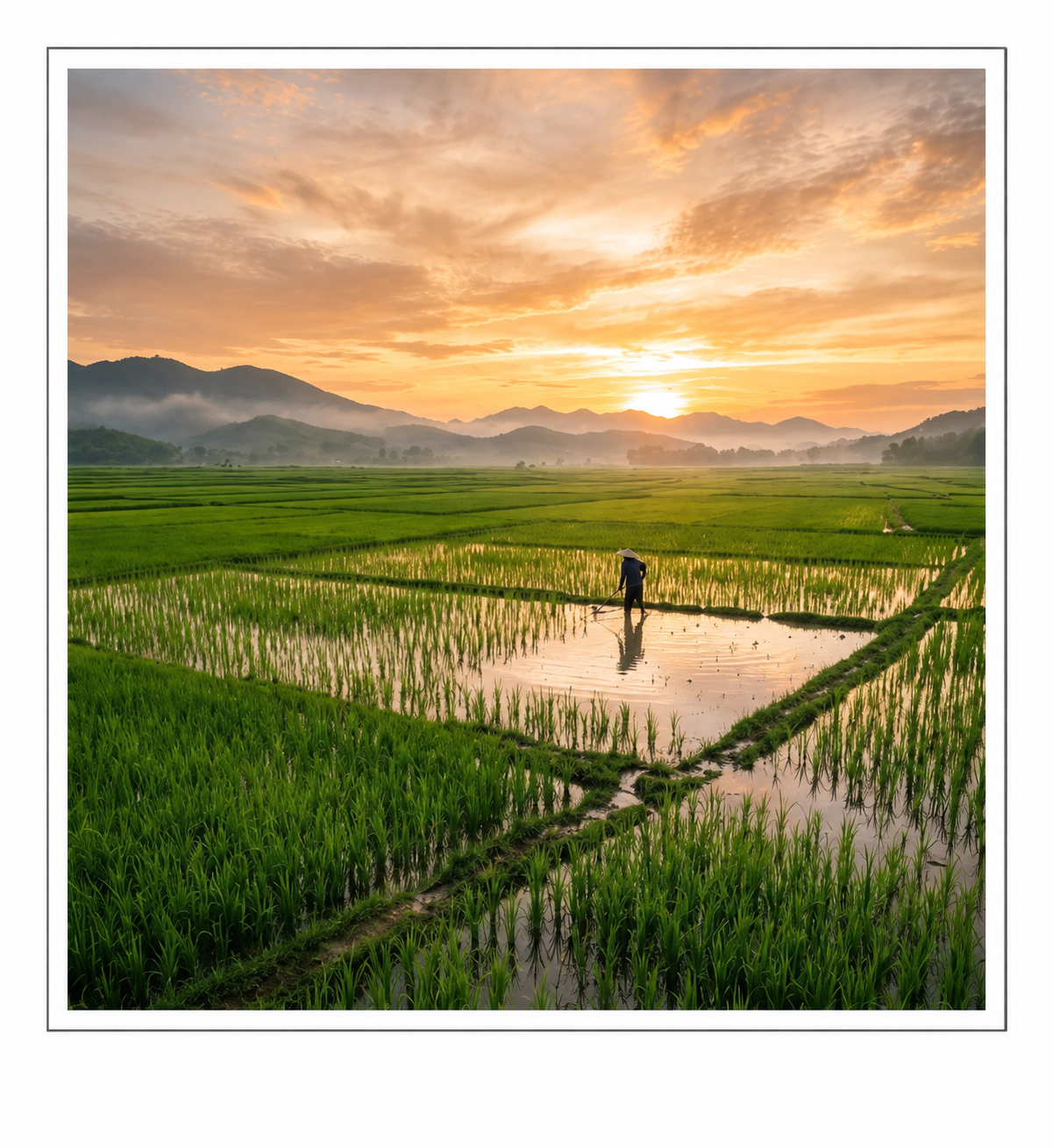
Agriculture is the largest source of employment for the people. There is employment for farmers, agricultural laborers and people employed in the sectors related to agriculture such as storage, transportation, marketing and food processing.
Support to Agro-Based and Allied Industries:
Agriculture provides raw materials to different industries. Cotton is required for textiles, sugarcane for sugar factories, jute for packaging and oilseeds for edible oils industries. Besides, dairy industry, poultry, fisheries and food processing industries are totally dependent on agriculture. This way agriculture and industries are highly interrelated.
Agriculture and National Income (GDP):
Agriculture plays a vital role in contributing to the Gross Domestic Product (GDP) of the country. Moreover, it plays an important role in earning foreign exchange from the exports of agricultural goods like rice, tea, coffee, spices and fruits. Good agriculture ensures the economic development of the nation.
Agriculture and Environmental Protection:
Agriculture ensures ecological balance if performed sustainably. Crop rotation, inter-cropping, organic agriculture, conservation tillage and integrated pest management ensure sustainability in agriculture that protects environment by preserving soil fertility, conserving water and protecting environment from pollution.
Role of Agriculture in Rural Development/Poverty Alleviation:
Agriculture is one of the prime activities through which rural development is facilitated. Not only does it increase the earnings of the farmers, but it also increases the quality of their lives and reduces poverty. Agriculture development leads to development in the infrastructure such as roads, irrigation, storage and market in the rural areas.
Usage of Modern Science & Technology:
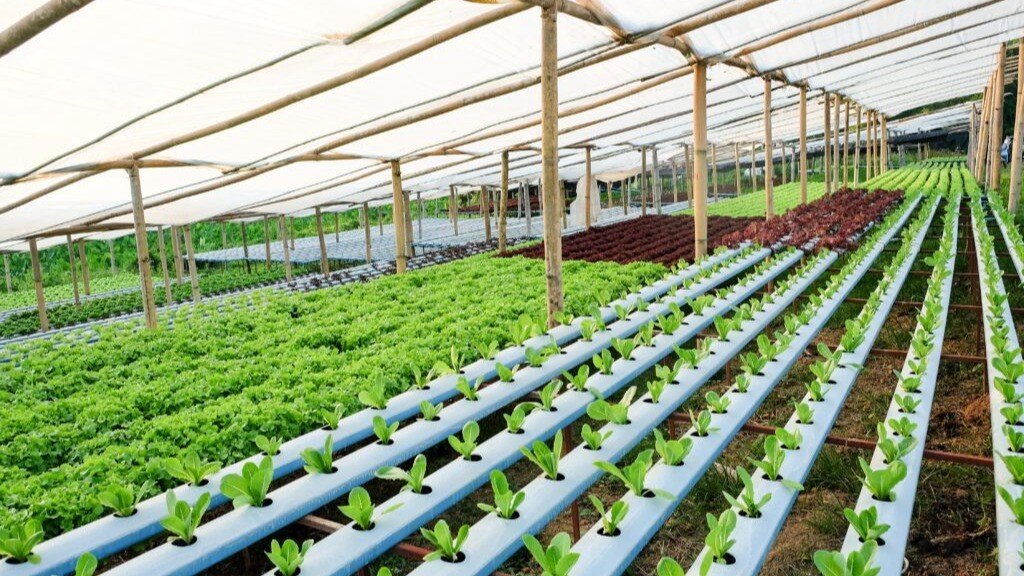
Due to the usage of modern technologies through science, agriculture has increased its productivity. The farmers use hybrid seeds, irrigation technology, fertilizers, pesticides and even machinery such as tractors and harvesters. Digital agriculture is yet another latest trend which is used by the farmers to increase their productivity.
Economic Stability and Self-Reliance:
The presence of agriculture-based economy ensures economic stability due to the availability of food grains as well as raw materials. It also stabilizes the price of the food grains and restricts the import of food from other nations.
Sustainable Development and Future Security:
The agriculture is crucial for the sustainable development in any nation due to the sustainable use of natural resources for the next generation.
Developing Allied Sectors:
The agricultural sector can develop the allied sectors like the dairy, poultry, fisheries and beekeeping sectors. These allied sectors are useful in earning more money by farmers and also diversifying their farming operations.
Social and Cultural Importance:
The other importance of agriculture is that it holds social and cultural significance. There are several festivals and rites that are performed in the Indian culture in relation to agriculture and crops. Thus, agriculture helps in developing the social and cultural aspects of the rural society.
Conclusion:
Agriculture is the foundation of our day-to-day life as well as economy. It provides us with food, jobs and raw materials along with the development of the industries and rural sectors. Agriculture plays a pivotal role in ensuring food security, environmental equilibrium and economic growth of the nation. It is imperative that agriculture should be promoted by the use of technology and other policies. A sound agricultural sector will ensure fulfilment of present needs and a secured future for generations to come.
Author

M.Sc (Agriculture) in Agronomy, Centurion University of Technology and Management, Paralakhemundi, Odisha, 761211
B.Sc Agriculture, The Neotia University, South 24 Parganas , West Bengal, 743368