Biofertilizers: Nature’s Living Allies for Sustainable Agriculture

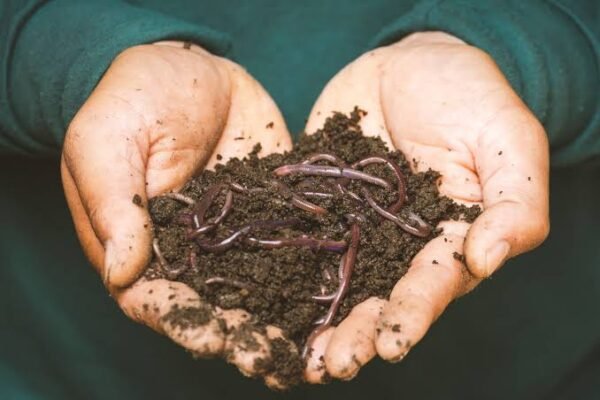
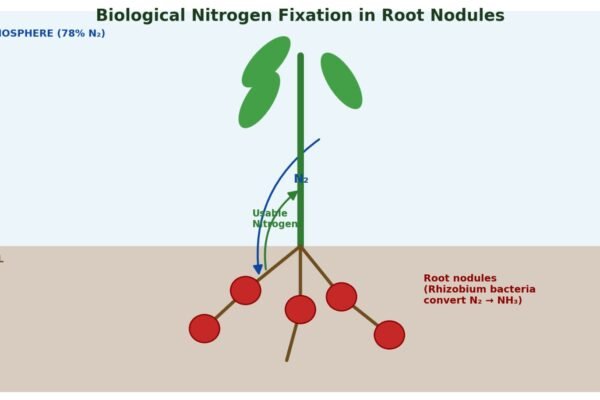
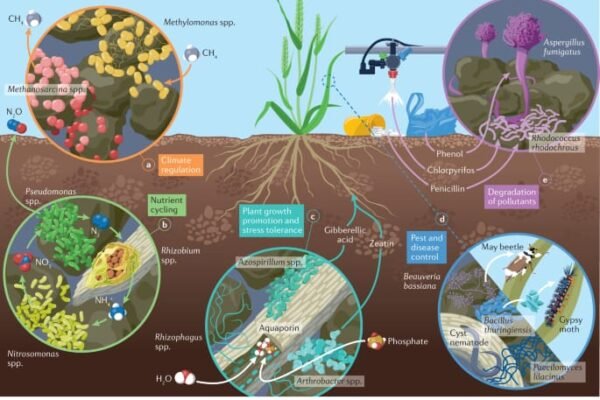
Walk into any thriving farm today and you will find a quiet revolution happening beneath the soil surface, invisible to thenaked eye but critical to every green leaf above it. Long before chemical fertilizers were ever manufactured, soilmicroorganisms were already feeding plants — fixing nitrogen from the air, unlocking phosphorus trapped in rock particles,and building intimate partnerships with roots. Modern agriculture is now rediscovering these ancient microbial allies andpackaging them as biofertilizers, offering farmers a way to grow more food while asking less of the soil, the water table, andthe atmosphere. This renewed interest is not nostalgia; it is necessity. Decades of intensive chemical fertilizer use have left many soilsdepleted of organic matter, imbalanced in microbial diversity, and increasingly unresponsive to further doses of urea andphosphate. Biofertilizers offer a complementary, biology-driven path back to soil health without asking farmers to sacrificeproductivity. What Exactly Is a Biofertilizer? A biofertilizer is a formulation containing live or dormant cells of beneficial microorganisms — bacteria, fungi, or algae — that, when applied to seed, soil, or root, colonize the rhizosphere or the interior of the plant and promote growth. Unlike chemical fertilizers, which supply nutrients directly, biofertilizers work…

Read More

WHERE TREES MEET CROPS: AGROFORESTRY FOR AMELIORATING GLOBAL CLIMATIC CHALLENGES

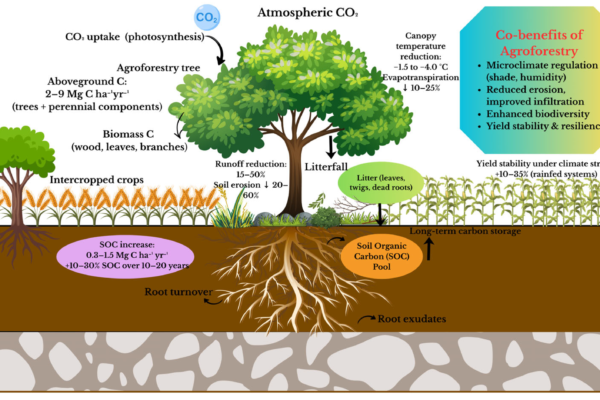
Agro-forestry is the cultivation and use of trees and shrubs with crops and livestock in the agricultural ecosystem. The core idea of agroforestry is to select the appropriate tree, planting it in an optimal location and ensuring it to serve the intended purpose. Agroforestry practices can be tailored to safeguard soil, animals, crops, and homes from extreme weather, enhance water quality, generate jobs…

Read More

Harnessing the Power of Microbes for Sustainable Crop Production

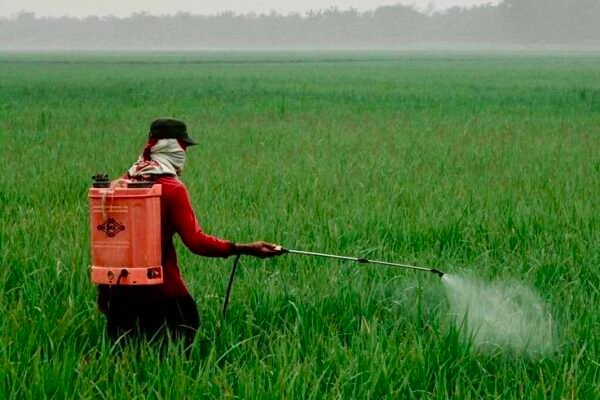
Abstract The modern agriculture faces twin challenge; feeding a growing population while conserving soil health, water and biodiversity. Excessive reliance on chemical fertilizers and pesticides has degraded soils, polluted water bodies and increased input costs for farmers. This results in residual effect, soil pollution and affect the overall soil productivity. Soil and plant-associated microbes such as diazotrophs, phosphate solubilizers, potassium mobilizers, mycorrhizal fungi,…

Read More

Speed Breeding: From Faster Generations to Better Varieties

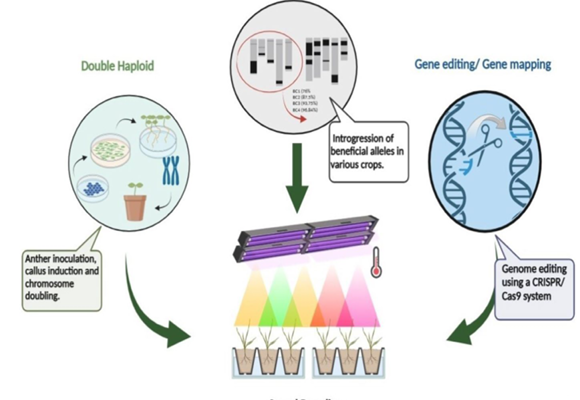
Megha M S¹, Akhil S². ¹Department of Genetics and Plant Breeding, Centre for Plant Breeding and Genetics, Tamil Nadu Agricultural University, Coimbatore 641 003, Tamil Nadu, India ²Department of Agricultural Microbiology, B. A. College of Agriculture, Anand Agricultural University, Gujarat- 388110, India Introduction Developing a new crop variety is rarely a quick job. A breeder…

Read More

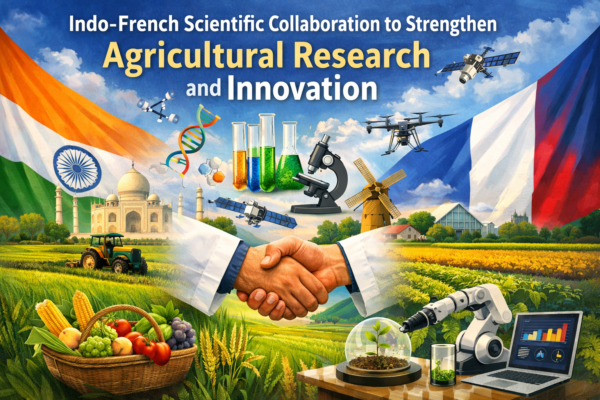
Indo-French Scientific Collaboration to Strengthen Agricultural Research and Innovation

New Delhi:India and France are strengthening their long-standing scientific partnership to advance research and innovation in agriculture and allied sciences through the Indo-French Centre for the Promotion of Advanced Research (IFCPAR/CEFIPRA). Established in 1987, CEFIPRA is a unique bilateral institution supported by the Department of Science and Technology (DST), Government of India, and the Ministry…

Read More

Agri-Innovation for Doubling Farmers’ Income: Pathways to Profitable and Sustainable Agriculture

Doubling farmers’ income has been one of the most important goals of Indian agriculture. While increasing production alone is not enough, agri-innovation—the application of technology, new practices, business models, and institutional reforms—has emerged as a key driver to achieve higher and more stable farm incomes. Agri-innovation goes beyond traditional farming and focuses on reducing costs,…

Read More