A New Chapter in Indian Agriculture
India needs to be careful with nano urea because of public health. India’s farming has always changed with new technology. Things like the Green Revolution in the 1960s and using lots of chemical fertilizers helped feed more people. Now, many are saying nano urea is the next big thing. It’s supposed to be a clever fertilizer that helps plants use nutrients better, costs less, and pollutes the environment less.
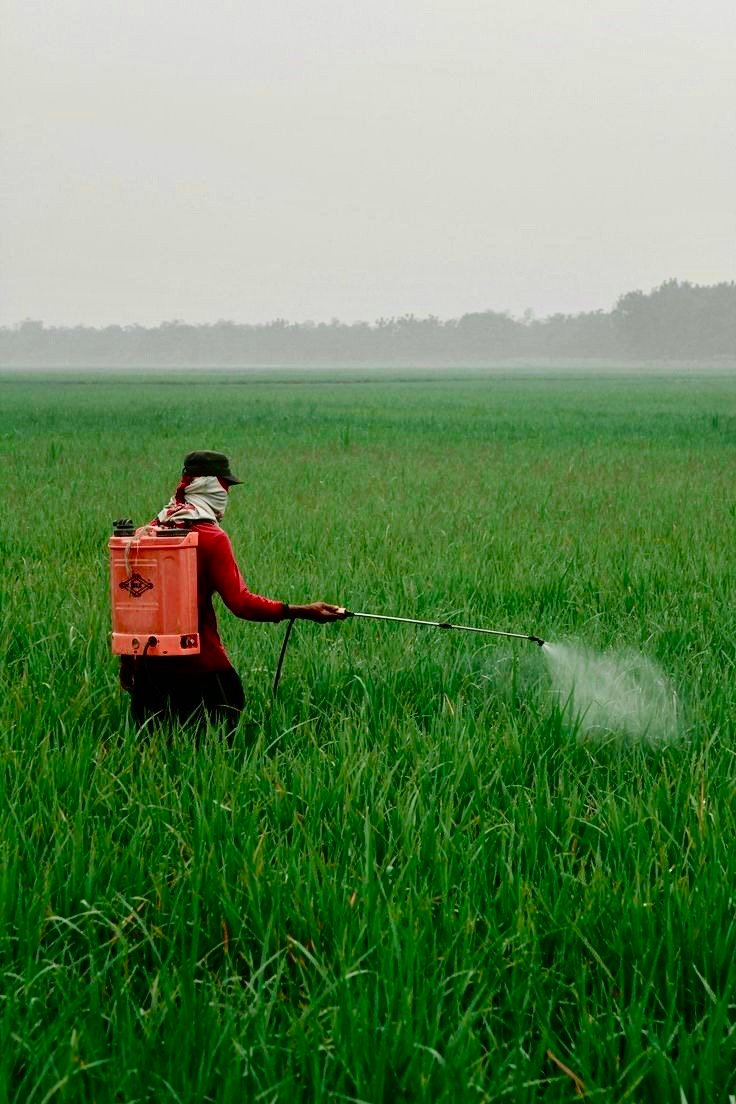
Nano urea is made with nanotechnology, meaning its particles are super tiny, only 20-50 nanometers. Because they are so small, plants can absorb them much better when sprayed on leaves. Research shows nano urea can help plants use nitrogen almost 70% better, while regular urea only gets to 30-35%. This could mean using less fertilizer, saving the government money on subsidies, and cutting down on nitrogen pollution.
People in power and farming experts are pushing for everyone to use it. But it makes you wonder: Are we using nano urea everywhere too fast, before we really know what it does to our health and the environment in the long run?
What makes nano urea special is also what worries people. When things are super small, like at the nanoscale, they can act differently than when they are bigger. Their tiny size and large surface area mean they react a lot and can affect living things in ways we don’t expect.
The Science Behind the Concern
Studies on how nanoparticles can be toxic show that some can get past body defenses, go into the blood, and build up in organs like the liver, kidneys, lungs, and brain. Scientists have connected being exposed to nanoparticles for a long time to problems like stress on cells, inflammation, damage to DNA, and cells not working right. The toxicologist Paracelsus once said that “The dose makes the poison.”
. But with nanotechnology, the tiny size might change how toxic something is, so our usual safety ideas might not be enough.
Environmental Questions Yet to Be Answered
The worries aren’t just about people’s health. Nano urea sprayed on plants can end up in the soil and water when it washes off or blows away. Regular urea eventually breaks down into other stuff, but scientists are still figuring out what these nano-sized particles and the things they’re carried in do in nature over time. A big question we don’t have an answer to is if these nanoparticles stay in plants and then get into the food we eat. If they do, being exposed to small amounts all the time could harm both people and animals eventually.
The environmental scientist Barry Commoner once said, “Everything is connected to everything else.” This means that new farming ideas can affect things way beyond the farm itself.
Lessons from History
History shows us that we often only see the downsides of new technologies after using them widely for many years. Chemicals like DDT and Endosulfan were first praised for how well they worked, until we realized they were bad for the environment and our health. India has also dealt with lasting problems from arsenic in water, factory pollution, and other environmental dangers that people didn’t think were a big deal at first. These past events teach us why we need to be careful and keep a close eye on new farming technologies.
A Balanced Path Forward
We shouldn’t just throw out nano urea. It has real potential to help plants use nutrients better and cut down on using too much fertilizer. But if we’re going to use it quickly, we also need to do thorough scientific checks, clear safety reviews, and watch its effects on the environment and health for a long time. India needs better systems to keep an eye on products after they’re sold, independent studies, and farmers who understand both the good and bad sides of nano fertilizers.The agencies that make rules must make sure new ideas are based on facts, not just excitement.
Conclusion
Nano urea might really be the future of farming that’s good for the long term. But before it’s used everywhere in Indian farming, the country needs to carefully look at not just its good points, but also its possible dangers. When it comes to public health, the biggest problems are often those we don’t see for years until they become obvious. As they say, “It’s better to prevent something than to fix it later.” If India takes a careful, science-based approach now, it can make sure that farming improvements help everyone, today and in the future.
Author