A digital platform that could help farmers stay ahead of climate risks, market shocks, and production challenges.
“The true value of agricultural data lies not in its collection, but in its ability to guide timely action.”
It’s a digital tool designed to help farmers get ahead of problems like bad weather, sudden market changes, and farming issues. Simply collecting farm data isn’t enough; its real use is in helping farmers act quickly.
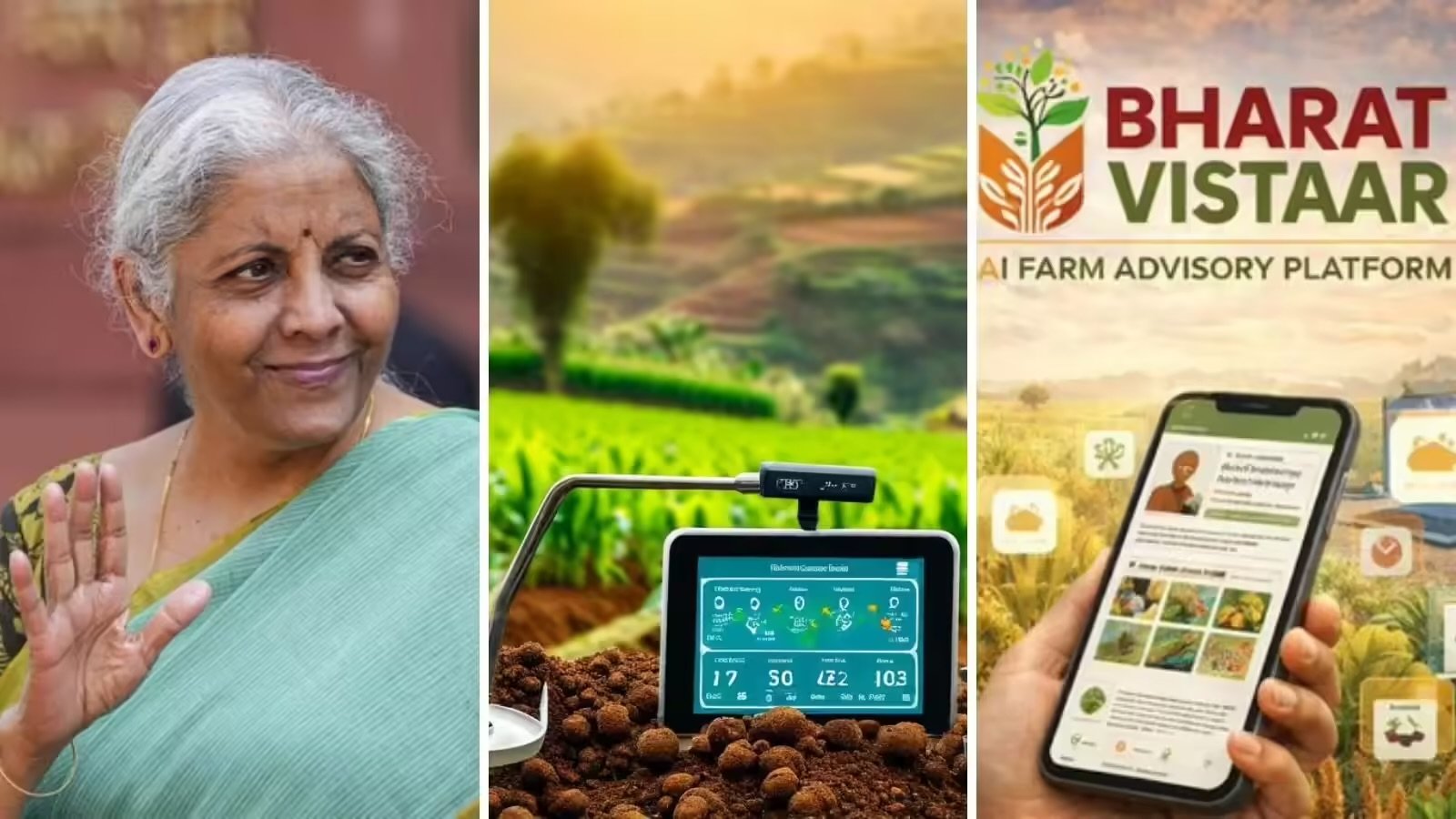
The Indian government has launched Bharat-VISTAAR,(Virtually Integrated System to Access Agricultural Resources)
(which is a big step for digital farming in the country. This system brings together India’s AgriStack and expert farming advice from groups like the Indian Council of Agricultural Research. The goal is to make farm information easier to get and more helpful for farmers.
Indian farming is becoming more unpredictable. So, this platform can be more than just a place to store data. It can become a tool that helps farmers make decisions and get ready for risks before they turn into big problems.
Farming in a Changing Climate
Farmers in India today deal with many issues: rain at the wrong times, droughts, floods, too much heat, pests, poor soil, and markets that go up and down. These problems often happen at the same time, making farming harder to predict than ever.
Bharat-VISTAAR can pull all the scattered farming data together and turn it into practical advice. By mixing information about weather, crops, soil, and farming methods, the system can help farmers and policymakers make better choices. Making smart decisions is key to resilient farming. “Resilient agriculture begins with informed decisions.”
Turning Information into Action
Bharat-VISTAAR’s main strength is turning data into advice that farmers can actually use. For example, SukhaRakshak AI, which was made with help from groups like the International Water Management Institute, shows how AI can help achieve this.
By putting together satellite info, weather predictions, water data, and emergency plans, these systems can give early warnings about droughts, floods, or other weather-related dangers. Farmers can then change when they plant, how much they water, which crops they grow, or what supplies they use, all before they lose money. This way, farmers can get ahead of problems instead of just reacting to them, which makes their farms much stronger.
Making Technology Accessible
Digital tools only work well if people can understand and use them. SukhaRakshak AI knows this, so it gives advice in 22 Indian languages, making complicated weather and farming information easier for farmers to get.
Instead of hard-to-read reports, farmers get simple, local advice that fits their specific crops and conditions. This kind of farmer-focused approach helps build trust and makes current farm support services better. Technology works best when it speaks the farmer’s language. ”Technology succeeds when it speaks the farmer’s language.”
A Platform for Collaboration
Bharat-VISTAAR also lets government groups, research centers, and private companies work together. When there’s good info about risks, insurance companies, banks, and farm supply businesses can create better services for farmers. For instance, insurance payments, weather warnings, and access to seeds that can handle tough conditions can be connected to specific risk events. This makes sure farmers get help right when they need it.
Measuring Success
We shouldn’t measure Bharat-VISTAAR’s success by how many sets of data it combines or how many fancy screens it has. Its real impact will be clear when we see how many farmers get good advice on time, avoid losing money, grow more crops, and make their lives better.
By bringing together digital tools, climate information, and scientific know-how, Bharat-VISTAAR could become a really strong public resource for Indian farming. As weather risks keep increasing, systems that help farmers expect problems instead of just reacting to them will be crucial. If Bharat-VISTAAR is set up well, it can make sure farmers get the correct information at the right moment. This will help them make smarter choices and build a stronger future for their farms.
Author