Walk into any supermarket and the front of a food packet is already labeled, “High Protein,” “Natural,” “No Added Sugar,” “Multigrain,” “Pure.” etc. But how often do we turn the packet around and actually read what is written there?
More importantly, how many of us understand it?
Food labels contain information about ingredients, nutrition, serving size, dates and other details. Yet having information available does not necessarily mean consumers use it. A study by Gavaravarapuand others, among supermarket shoppers in New Delhi and Hyderabad found that nearly 90% of consumers reported reading food labels. However, 81% mainly checked the manufacturing or expiry date, while only about one-third checked nutrition information and ingredients. This reveals an important gap, we may read labels, but we do not always read the information that tells us what we are actually eating.
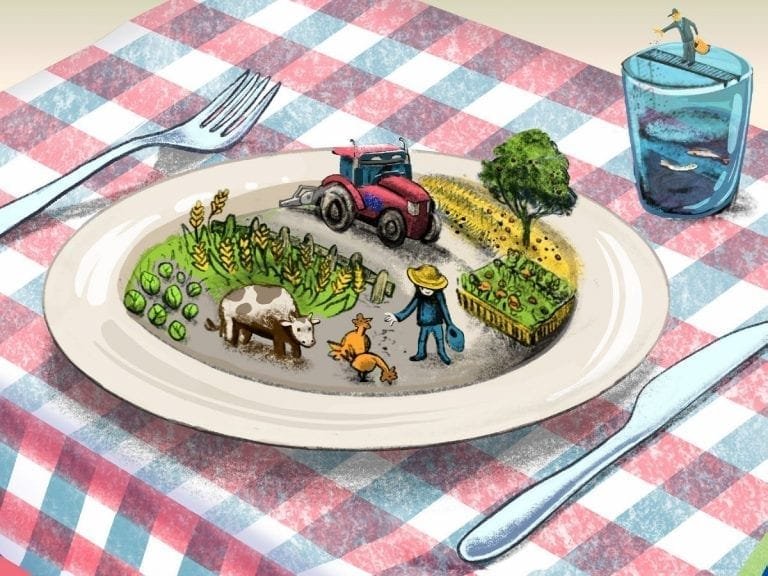
Serving size confusion:
The numbers and percentages given on food packets can be difficult to understand. A label may tell us how much sugar, fat or salt is present per 100 grams or per serving. But do we really know what these numbers mean for the amount we actually eat?
For example, a packet may say that one serving contains 10 grams of sugar, but the whole packet may contain three or four servings. If we eat the entire packet, we are consuming much more than the amount shown for one serving.
In the same way, percentages on a food label are useful only when we know what that percentage is based on. Without this understanding, the numbers may be there, but they may not tell the consumer the complete picture.
A study conducted by Prajapati and others in 2023 among 500 consumers in Gandhinagar found that 21% never read food labels, 46.2% read them sometimes, and only 11.6% read them regularly.
When trust begins with a symbol
The same issue arises with quality marks.
AGMARK is a government quality-certification system implemented by the Directorate of Marketing & Inspection. It covers agricultural commodities such as ghee, butter, honey, edible oils, spices, attaand besan.
For many consumers, however, a certification mark can become a shortcut for trust: “It has a quality mark, so it must be completely safe.”
But certification should not be confused with immunity from adulteration or non-compliance.
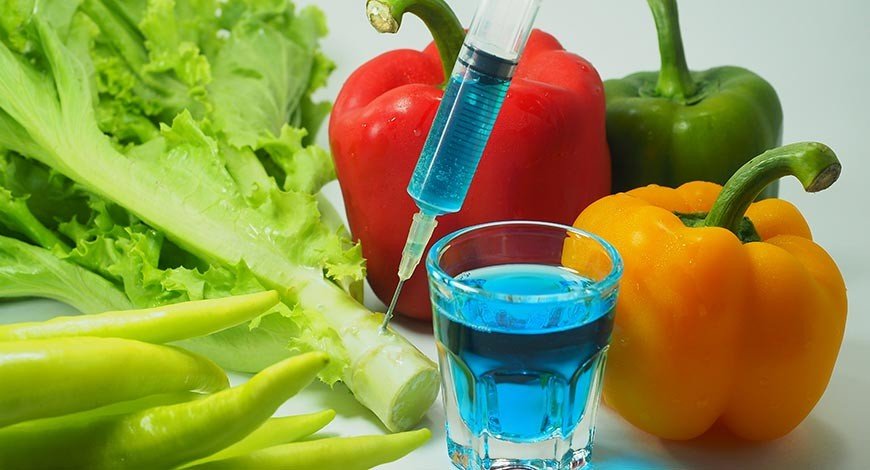
Food adulteration remains an issue requiring continuous surveillance. FSSAI’s National Milk Safety and Quality Survey tested 6,432 milk samples in 2018 and found 12 samples adulterated with substances that made the milk unsafe, including detergents, urea, hydrogen peroxide and neutralizers.
An earlier nationwide survey in 2011 found that 68.4% of milk samples did not conform to prescribed standards. However, this figure should not be called an adulteration rate: most samples were classified as sub-standard, while 5.75% were found adulterated with detergents.
Adulteration
2020 : Paneer
FSSAI’s Milk Product Survey 2020 tested 510 paneer samples. Only 27.3% were compliant, while 72.7% were non-compliant. Among samples from the unorganised sector, 76.1% were classified as substandard and 5% were unsafe because of microbiological safety problems.
2021: Honey
FSSAI conducted a nationwide Honey Surveillance 2021, collecting 675 samples from across India. The surveillance focused on concerns about adulteration with substances such as golden syrup, invert sugar and rice syrup, along with other quality parameters.
2023: Ambaji Mohanthal Prasad
In 2023, authorities in Gujarat seized 2,820 kg of substandard ghee supplied for making Mohanthalprasad at the Ambaji temple. The ghee had reportedly been falsely represented as Amul ghee, raising concerns about how familiar brand names can influence consumer trust.
2025 : Ghee in Rajkot
In 2025, FSSAI reported the seizure of approximately 6,500 kg of adulterated ghee in Rajkot, Gujarat. Laboratory testing found vegetable fat in the samples.
2025 : Edible Oils
FSSAI’s nationwide edible-oil survey analysed 4,461 samples. It found that 24.21% failed quality parameters, 12.82% were classified as misbranded, and 2.42% failed safety parameters.
2026: Khoya
In August 2026, authorities in Uttar Pradesh destroyed more than 3,300 kg of adulterated khoya. Reports identified substances including detergent, talcum powder, refined oil and hydrogen peroxide. Khoya is widely used in Indian sweets, making this particularly relevant during festive seasons.
2026 : Hing (Asafoetida)
On 29 August 2026, FSSAI issued a prohibition-of-sale order for certain compounded hing products manufactured by Everest Food Products and Laljee Godhoo & Company after laboratory testing found them substandard. The action followed a consumer complaint and subsequent market surveillance.
From Reading to Better Choices
Reading food labels is not only the responsibility of nutritionists or health professionals. Parents, adults and every consumer have a role to play. Parents can help children develop the habit of checking what they eat, while adults can make better choices for themselves and their families by looking beyond attractive claims on the front of a packet.
A few extra seconds spent checking the ingredients, serving size, sugar, salt, fat and percentagescan help us choose foods more wisely. Over time, these small choices can support a healthier diet and reduce the risk of problems linked with excessive sugar, salt and unhealthy fats.
Food safety does not end with farmers, manufacturers or regulators. It also reaches the consumer’s hands. We cannot identify every adulterant by simply reading a packet, which is why testing and strong food-safety regulations remain essential. But an informed consumer can question, compare and choose more carefully.
The next time we pick up a packaged food, perhaps we should look beyond the colourful front and ask one simple question:
“Do I know what I am actually choosing?”
Author

Sakshi Kulshrestha, an Agricultural University student from Gujarat. Have keen interest in public welfare as well as human psychology. National debater and have served as intern under Ministry of Women and Child Development, GOI.