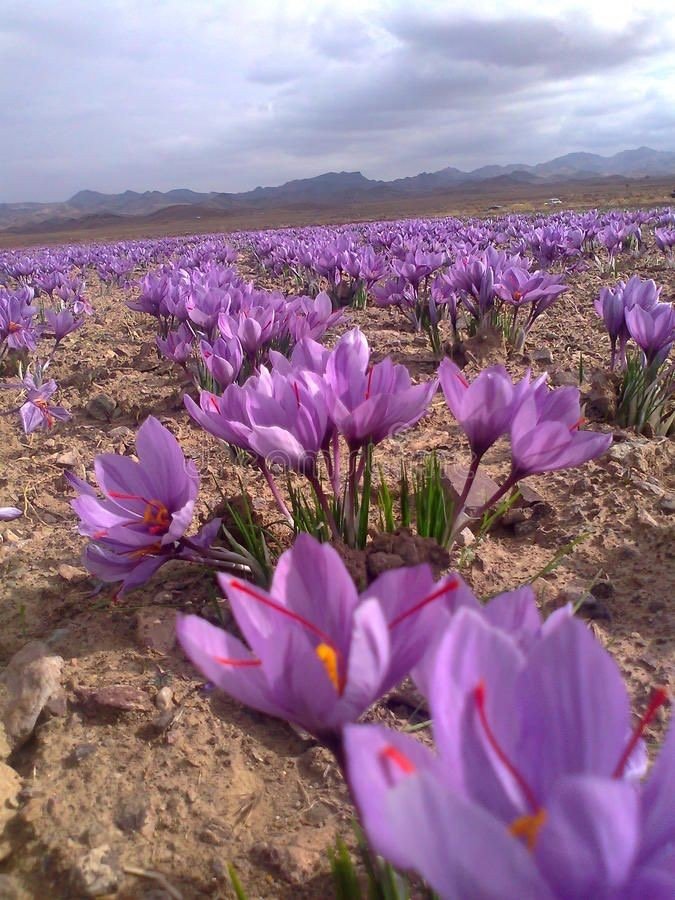
Saffron, often called “red gold,” is the most expensive spice in the world, with prices ranging from ₹2.5 lakh to ₹7 lakh per kilogram. It comes from the delicate stigmas of the saffron flower (Crocus sativus) and holds significant value in the culinary, medicinal, and cosmetic industries. Despite the high demand, India produces only about 6 to 7 tonnes each year, while the domestic demand is over 100 tonnes. This large gap leads to imports costing nearly ₹500 crore annually, showcasing a major untapped opportunity for Indian farmers and agripreneurs.
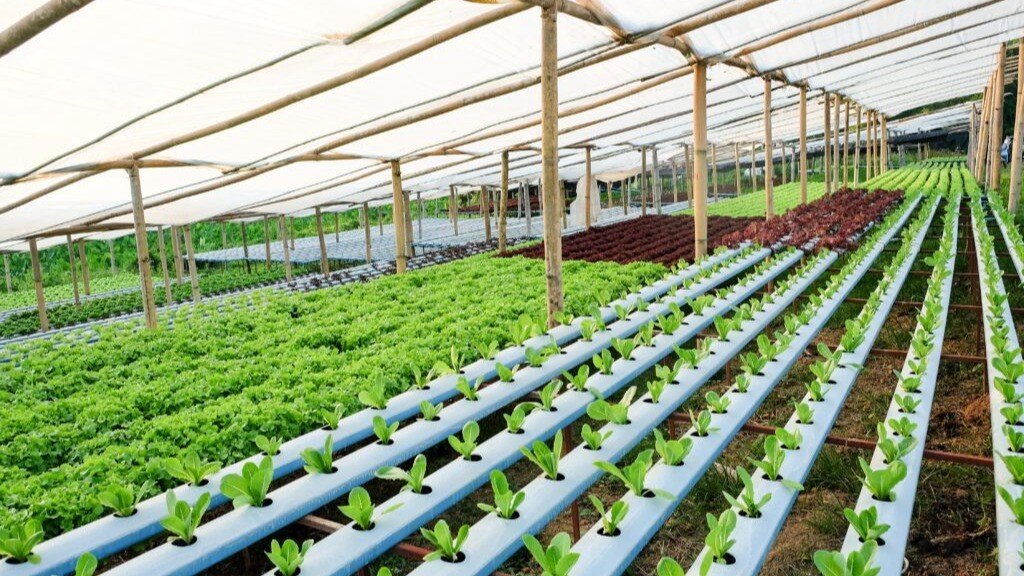
Traditionally, saffron has been grown in regions like Jammu and Kashmir. However, climatic conditions have limited its cultivation. Modern advancements have introduced indoor saffron farming, allowing this high-value crop to be grown outside its usual areas. Indoor cultivation relies on controlled conditions, keeping temperatures between 15 and 20°C, maintaining humidity levels around 65 to 75%, and providing 12 to 14 hours of LED or UV light. With hydroponic systems, saffron can be grown without soil, in small spaces, and year-round, avoiding risks from weather changes.
This innovative method makes saffron farming appealing for urban farmers and startups. It requires less land, offers high returns per unit area, and suits small-scale, high-tech farming models. Furthermore, the rising demand from the pharmaceutical, food processing, and cosmetic industries boosts its market potential.
However, saffron farming comes with challenges. It requires a significant initial investment to establish controlled environments, technical knowledge, and careful handling during harvesting. The crop is labor-intensive since each flower produces only a few strands of saffron, making precision and skill essential.
In conclusion, saffron farming offers a promising opportunity for India to cut down on imports and increase farmer incomes. With the right mix of technology, training, and market access, “red gold” could become one of India’s most profitable agricultural ventures.
Author