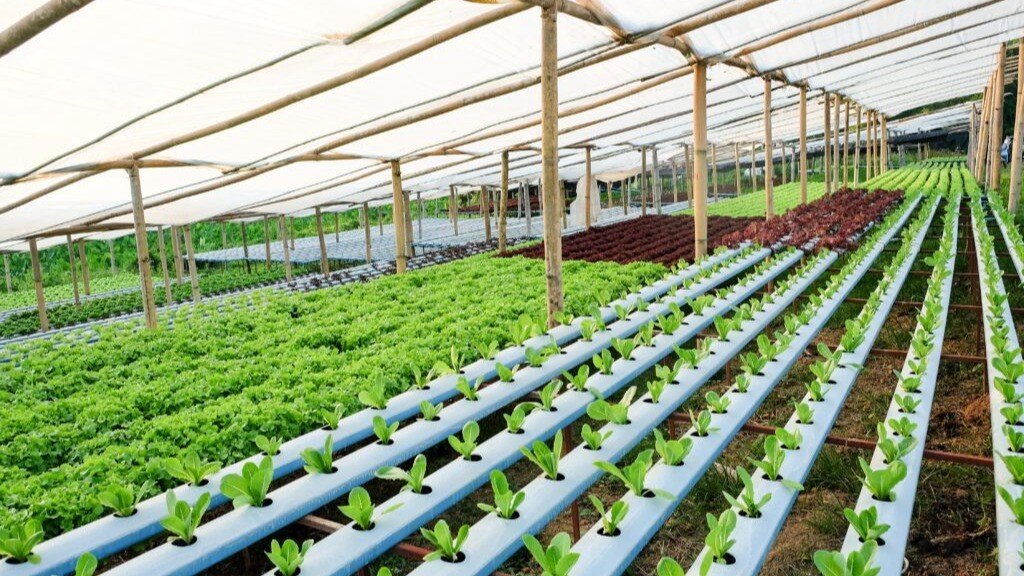

The Rainforest Alliance is taking part in the UNFCCC COP26 climate summit by underscoring the importance of nature-based solutions in tackling climate change. At a time when global temperatures are rising and ecosystems are under stress, such initiatives highlight the urgent need to align environmental conservation with economic activities. The organization’s focus areas include the eradication of deforestation from global commodity chains and improving climate resilience for farmers and forest-dependent communities. These efforts are becoming increasingly necessary as environmental pressures intensify due to population growth and unsustainable resource use.
Impact of Agriculture on Climate Change
Agriculture plays a dual role in the climate crisis—it is both a victim and a contributor. Traditional agricultural practices account for nearly 24% of anthropogenic greenhouse gas emissions and are responsible for about 75% of tropical deforestation. Practices such as slash-and-burn farming, excessive fertilizer use, and monocropping significantly degrade soil health and increase emissions. However, transitioning to climate-smart and nature-positive farming systems—such as agroforestry, organic farming, and precision agriculture—can reduce emissions while enhancing productivity. These systems not only conserve biodiversity but also improve farmers’ incomes and long-term sustainability.
Role of Nature-Based Solutions in Emission Reduction
According to the Intergovernmental Panel on Climate Change, nature-based solutions could contribute up to 37% of the emission reductions required by 2030 to meet global climate targets. These solutions include reforestation, wetland restoration, soil carbon sequestration, and sustainable land management. Despite their high potential, implementation has been slow due to lack of funding, policy support, and awareness. Scaling up these solutions requires strong collaboration between governments, private sectors, and local communities.
Importance of Forest Protection and Restoration
Forests act as major carbon sinks, absorbing vast amounts of carbon dioxide from the atmosphere. Scientists emphasize that protecting existing forests, restoring degraded lands, and promoting sustainable forest management are critical strategies for climate mitigation. Beyond carbon storage, forests support biodiversity, regulate water cycles, and provide livelihoods to millions of people. Losing forests not only accelerates climate change but also threatens ecological balance and food security.
Forest Allies Project and Collaborative Efforts
The Forest Allies Project is an important initiative aimed at bringing together communities, civil society organizations, and businesses to promote responsible forest management. By fostering cooperation and shared responsibility, the project works towards eliminating deforestation from supply chains while ensuring fair economic opportunities for local populations. Collaborative efforts like these are essential for creating scalable and long-lasting environmental solutions.
Integrating Conservation with Agriculture
A sustainable future lies in integrating conservation efforts with agricultural practices. Approaches such as agroecology, regenerative agriculture, and mixed farming systems can bridge the gap between productivity and environmental protection. By adopting these practices, farmers can enhance soil fertility, reduce dependency on chemical inputs, and build resilience against climate shocks.
Conclusion
In conclusion, nature-based solutions offer a powerful and practical approach to combating climate change. By combining forest conservation with sustainable agriculture, it is possible to reduce emissions, preserve biodiversity, and improve livelihoods. The path forward requires collective action, policy support, and increased awareness to ensure that both people and the planet thrive together.
Author