For generations, rural India followed a predictable script, young generations left family farms in search of white collar job stability in overcrowded cities. Agriculture was largely viewed as an unpredictable, low-margin livelihood dictated by huge loss and climate vulnerability. Today, that script is being rewritten. Armed with data analytics, IoT hardware, biotechnology, and venture funding, a new wave of educated youth is returning to agriculture, not out of compulsion, but by choice.
Historically, youth participation in farming was actively discouraged by families and economic realities alike. Small landholdings, and a lack of modern infrastructure made conventional agriculture financially unstable.
➢ Past: Agriculture was not a willing career choice
• Dwindling Interest: In a landmark 2014 survey by the Centre for the Study of Developing Societies (CSDS), 76% of Indian farmers expressed a preference for their children to leave agriculture entirely, citing poor profitability, uncertain yields, and prevailing social stigma.
• Distress Migration: According to the Census of India (2011), rural-to-urban migration accounted for tens of millions relocating to tier-1 cities, leading to an aging farm demographic where the average age of a farmer rose above 50 years. Farming was widely regarded as a retirement job ratherthan a competitive career choice.
➢ Present: Career Retention
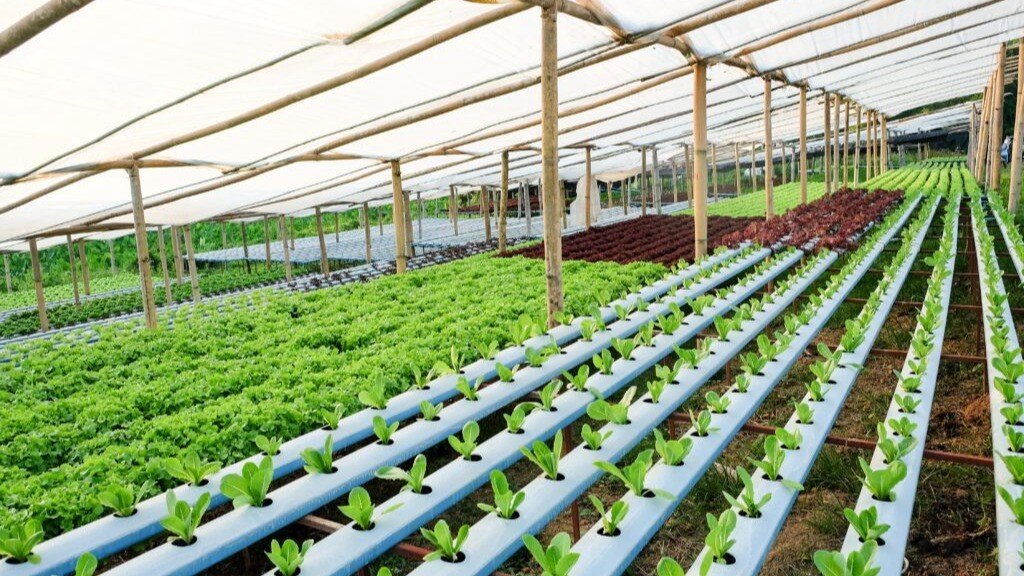
The narrative has fundamentally shifted from traditional subsistence farming to high-tech agribusiness. Agriculture is no longer confined to manual hardship, it encompasses supply chain optimization, AI-driven precision irrigation, hydroponics, soil microbiology, and farm-to-fork value addition.
• The Startup Influx: According to industry data from NASSCOM and the Department for Promotion of Industry and Internal Trade (DPIIT), India is now home to over 3,000+ DPIIT-recognized Agri-Tech and Agri-allied startups, up dramatically from fewer than 50 in 2014. These enterprises are founded primarily by graduates in engineering, business administration, and agricultural sciences.
• Government Support Ecosystem: Targeted policy initiatives have significantly lowered entry barriers:
• RKVY-RAFTAAR: The Ministry of Agriculture & Farmers Welfare established Agribusiness Incubators (R-ABIs), granting seed-stage funding (up to ₹25 Lakhs per startup) to turn innovative research prototypes into viable commercial enterprises.
• Agri Infra Fund (AIF): A ₹1 Lakh Crore credit facility providing interest subvention and credit guarantee coverage for post-harvest infrastructure, primary processing centers, and community farming assets.
• Kisan Drone Schemes & Skill India: Financial assistance and certifications training young rural professionals to deploy drone-as-a-service models for precision pesticide, fertilizer, and crop monitoring operations.
➢ Inhibiting Migration
The retention of young professionals into agriculture addresses one of the developing world’s greatest structural challenges: rural-to-urban distress migration. By establishing decentralized, tech-enabled enterprises at the rural level, several transformative shifts can occur:
• High-Skilled Rural Jobs: Youth gain technical employment in precision machinery operation, IoT maintenance, quality certification, and laboratory analysis within their own home districts.
• Localized Value Retention: Raw agricultural produce is processed, packaged, and branded at the farm gate, eliminating middlemen, mitigating distress sales, and retaining wealth within village economies.
• Decentralized Economic Growth: Urban civic infrastructure is relieved of excessive congestion and outward demographic pressure as prosperous, modern rural micro-economies emerge.
Future outlooks:
The coming decades will establish agriculture as a pillar of green technology, bio-economy, and climate resilience. The integration of bio-inputs, satellite-guided analytics, and fair-trade supply chains ensures that agriculture offers both intellectual fulfillment and sustainable profitability.
By bridging traditional ecological understanding with modern scientific and digital tools, young professionals are ensuring that the farm is no longer a place to escape from, but the very foundation upon which the future economy is built.
Author

Sakshi Kulshrestha, an Agricultural University student from Gujarat. Have keen interest in public welfare as well as human psychology. National debater and have served as intern under Ministry of Women and Child Development, GOI.