Agriculture has never been only a business in India. It is closely connected with food security, rural livelihoods and the country’s economy. But as agriculture becomes more technology driven andmarket oriented, another question is becoming important: Should more private companies be allowed to enter agriculture, or could privatization put farmers at risk?
The answer may not be simply “yes” or “no”.
From Green Revolution to the present
The Green Revolution of the 1960s and 1970s increased the use of high yielding seeds, irrigation, fertilizers, pesticides and modern machinery. It helped India move towards food grain selfsufficiency. ICAR notes that food grain production reached 305.44 million tonnes in 2020–21, compared with the food shortages India faced in the earlier decades.
The White Revolution, led by Operation Flood, transformed India’s dairy sector through cooperatives and better milk collection and marketing. India is now the world’s largest milk producer, with production reaching 199 million tonnes in 2020–21.
The Blue Revolution similarly expanded fisheries and aquaculture. Fish production reached 14.16 million tonnes in 2019–20, with India exporting fisheries products worth about US$6.68 billion in 2020–21.
These revolutions teach us an important lesson: agricultural growth does not come from one sector alone. Government support, farmers, cooperatives, science and markets all have a role.
Why bring in the private sector?
Private investment can fill gaps that government funding alone may struggle to cover.
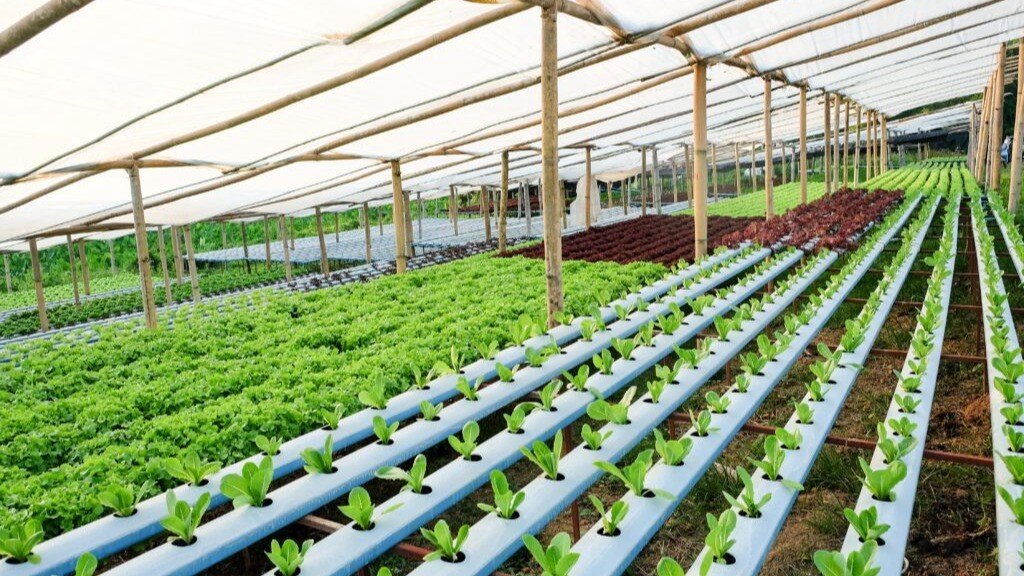
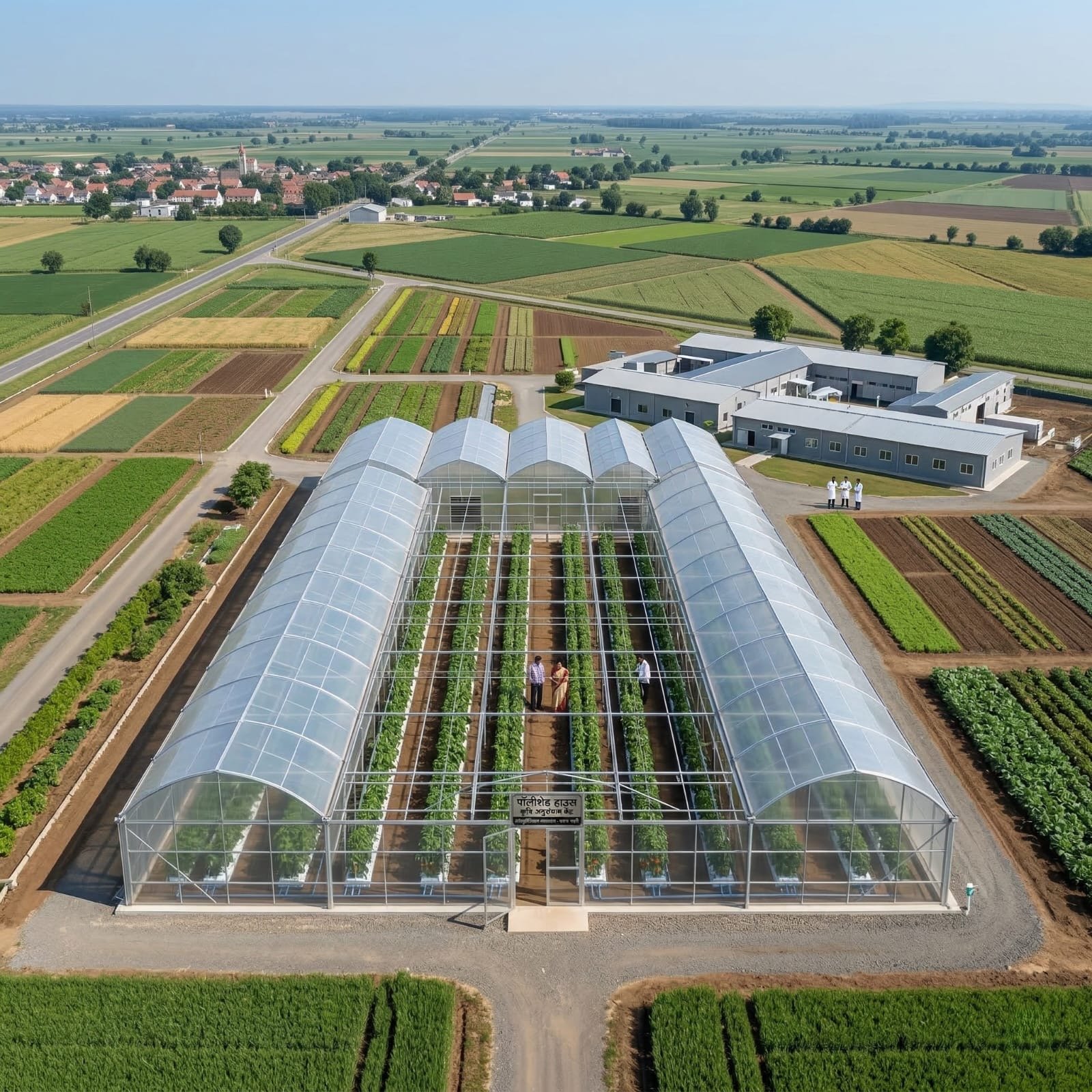
Companies can invest in cold storage, warehouses, food processing, irrigation technology, farm machinery, digital platforms and supply chains. This can reduce post harvest losses and give farmers access to larger markets.
India is already moving in this direction. The Agriculture Infrastructure Fund, launched in 2020, provides financing for postharvest and community farming infrastructure. By November 2025, it had mobilised about ₹1.23 lakh crore, supporting warehouses, processing units, cold storages and other agricultural infrastructure.
Private companies can also create new markets for farmers through contract farming and direct procurement. NITI Aayog has noted that contract farming can provide farmers with technical support and help reduce some market and price risks, although proper safeguards are necessary.
But where does the problem begin?
The concern is that agriculture is not an ordinary market.
A small farmer may have little bargaining power compared with a large company. If there are only a few major buyers, farmers could become dependent on them for prices, seeds, inputs or markets.
There are also concerns about land concentration, excessive use of natural resources, environmental damage and profit becoming more important than food security.
India’s experience with the three farm laws of 2020 showed how sensitive this issue can be. The laws were intended to increase private trade, contract farming and competition, but widespreadfarmer protests followed, and the laws were eventually repealed.
The lesson is not that private participation is necessarily wrong. It is that farmers need a strong voice and protection when markets are being changed.
What can we learn from other countries?
Brazil shows what large scale private and commercial investment can achieve. Its agribusiness sector exported US $169.2 billion in 2025, accounting for 48.5% of the country’s total exports.
The Netherlands provides another example. Its agriculture and horticulture sector combines private enterprise with advanced technology, research and strong infrastructure. Dutch agricultural exports were estimated at €128.9 billion in 2024, including products such as dairy, flowers, vegetables and greenhouse technology.
Israel offers a different lesson: private innovation can help solve resource problems. Israeli farmers have doubled agricultural yield per cubic metre of irrigation water over recent decades, showing how technology and investment can improve productivity in awater scarce environment.
These countries show that private participation can bring impressive results but technology and investment work best when supported by strong public policy and regulation.
What should India’s future look like?
India does not need complete privatization or complete government control.
It needs a partnership model.
Private companies can provide investment, technology, processing and access to markets. Government must continue to protect farmers through fair regulations, infrastructure, research, extension services, transparent markets and social safety nets.
Farmer Producer Organisations (FPOs) can also help balance the relationship. By coming together, small farmers can collectively purchase inputs, process produce and negotiate with larger buyers.
The future could therefore be about farmers + government + private sector, rather than choosing one over the others.
Author

Sakshi Kulshrestha, an Agricultural University student from Gujarat. Have keen interest in public welfare as well as human psychology. National debater and have served as intern under Ministry of Women and Child Development, GOI.