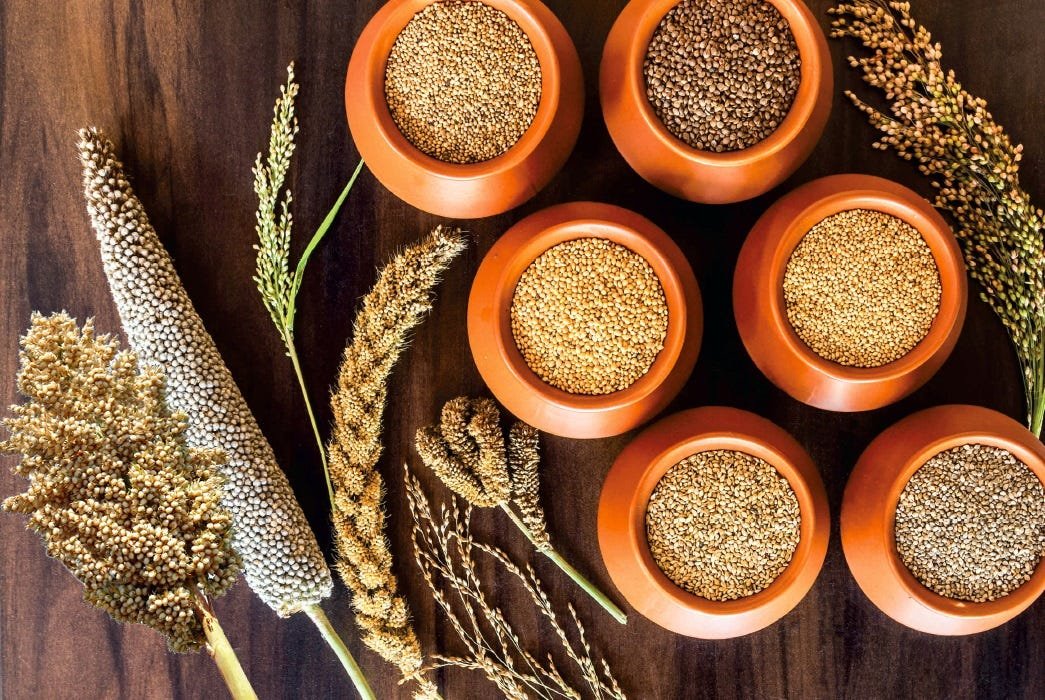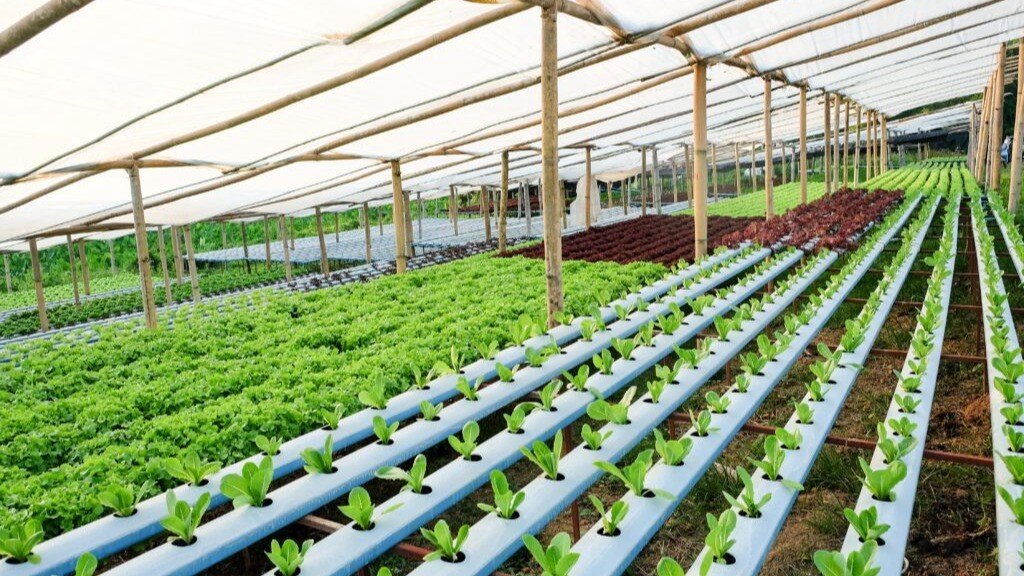
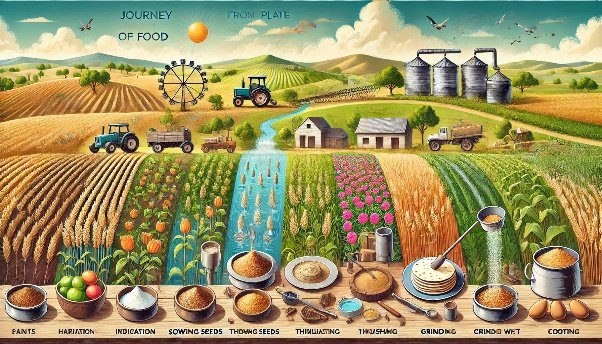
A single grain may look small and simple, yet it carries a remarkable journey from the soil to our table.Grain emerges as a seed and grows up as a result of the assistance it receives from the soil, water, sunshine andcultivation. As the crops grow, they face numerous challenges like the weed, pests, diseases and changes in weather conditions. After months of hard work, the mature crop is harvested, processed, stored and transported to our kitchen. Every grain reflects the combined efforts of farmers, nature and careful crop management. Understanding this journey helps us value our food, respect farmers and support sustainable farming. Every grain has a story, and it begins with a seed.
The Beginning – Seed Selection:
The selection of seed is an important factor that is responsible for the success of any farm product. Good seeds will produce good germination, good growth and high yield. There are certain things that need to be considered when choosing your seeds including the seed type, climatic condition, soil type and market demands.
Soil Preparation:
Before the seed is planted into the soil, it should be ensured that the soil is ready to accommodate the seed. The soil should be prepared in order to provide an environment suitable for the seed to grow and develop.
The First Drop – Germination:
If the seed comes into contact with the right amount of water, temperature and oxygen, germination occurs. This is where the seed absorbs water, loses its coat and the root emerges. Soon after this, the stem rises in search of sunlight. This is how the whole process begins.
Development of Roots and Shoots:
After the germination of seeds, the plant enters the stage of growth, where roots grow into the ground in order to absorb water and nutrients, while shoots develop leaves growing towards the source of light. It is necessary to develop the roots well since they constitute the foundation of the intake of water and nutrients. The good development of plants at an early stage can make them more resistant to future negative factors.
The Importance of Nutrients:
Just like people need a balanced diet, the crops need to absorb certain nutrients for their proper development. All of the nutrients play certain roles. The proper application of these nutrients at proper time can contribute to better growth of crops while avoiding losses.
Crop Protection from Risks:
The list of risks for the growing crop is quite extensive. The weeds rob water, nutrients, sunlightand space from the crop; pests and diseases inflict damage on the crop physically as well. Monitoring of the field on an ongoing basis and proper management of pests could be the indicator for a farmer about the existence of such threats. This is not about the additional application of pesticides, but about crop protection through proper management.
Sunlight, Water and Weather:
The development of crops depends on the interaction of sunlight, water, temperatures and other environmental factors. Moisture is essential for proper physiological activity of crops, while sunlight gives them energy for the process of photosynthesis. Drought, excess rains, extreme heat, cold or wind can affect negatively the growth of crops. Therefore, constant adaption is necessary for farmers.
Flowering – The Start of A New Stage:
The flowering stage is one which is significant in the lifecycle of the crop. This is where the crop starts in its preparations for the formation of the grains. Environmental stress during this stage could affect the pollination process and reproduction process of most crops. Proper irrigation, nutrition and crop protection could help in overcoming this stage successfully.
Formation of the Grains:
After flowering and successful fertilization, the grains begin to develop and gradually fill with nutrients. The plant now starts to transfer all the products of photosynthesis and nutrients to the grains thus making the grains increase in size and weight. Weather conditions and crop health and management will influence the result. The small grains that were in the seed become the expected yield of the farmer.
Harvesting: Time for Reaping the Rewards:
The harvesting stage marks one of the most important stages in the life of a farmer. The timing of harvests can influence the quality of the crops to be harvested, hence causing losses to the farmer. The farmers consider maturity, moisture content and weather conditions during harvesting.
From Farm to Market:
It does not end there for the farmer. The grains will have to be cleaned, dried, stored, transportedand processed before being made available to the consumer. There may be cases of inefficiencies in the storage stage causing moisture content and even grain quality loss due to pests.
From Grain to Our Plate:
Finally, the grain reaches our kitchen and becomes an ingredient in a meal. Rice can become steamed rice meal, wheat can be made into bread or roti, whereas other grains will become different traditional meals. While eating the grain, we normally see the final result of the whole process without realizing all the work which goes into the making of it. Each grain is the outcome of collaboration of soil, water, sunlight, nature, science and people.
Conclusion:
The journey of grain from a seed to the plate is more complicated and significant than it appears to be at first sight. From a tiny seed, it needs fertile soil, abundant water, sunlight, nutrients, good weather conditions and appropriate management. In spite of all the difficulties with weeds, insects, diseases, weather and market conditions, farmers continue cultivating their crops till they become food. Whenever we have a serving of rice, a piece of bread, or any food containing grains in front of us, we remember the story which lies behind it all. This story is of months of waiting, making decisions, nature’s process and farmers’ efforts. Small as grains may be, their story is really big.
Author

M.Sc (Agriculture) in Agronomy, Centurion University of Technology and Management, Paralakhemundi, Odisha, 761211
B.Sc Agriculture, The Neotia University, South 24 Parganas , West Bengal, 743368